
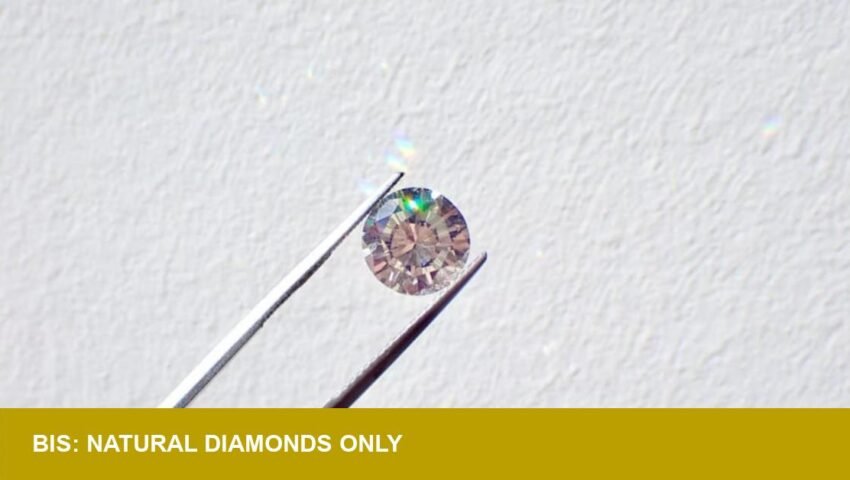
BIS has issued new standards specifying that only natural stones may be called “diamond” and that laboratory‑grown products must not use descriptors such as “nature’s,” “pure,” “earth‑friendly” or “cultured.” The change tightens nomenclature across the sector and creates potential branding and margin pressures for producers and retailers who built positioning around lab‑grown provenance.
- Who/What: BIS — only natural stones may be labeled “diamond”
- Prohibited descriptors: “nature’s,” “pure,” “earth‑friendly,” “cultured” (for laboratory‑grown products)
- Products affected: laboratory‑grown diamonds and related marketing copy
- Immediate effect: tighter naming and disclosure requirements; potential rebranding and merchandising costs
Context: where this sits in current jewellery trends
The ruling intersects with two clear trajectories in 2025–26: rising demand for origin disclosure and a continued split between natural and laboratory‑grown value propositions. Retailers and certifiers have been under pressure to clarify origin and certification narratives; this standard removes a portion of marketing latitude for lab‑grown producers and shifts the conversation back toward origin and traceability.
For design and merchandising teams, the change narrows permissible language around provenance and sustainability claims. Expect copy updates, tighter certificate language and renewed emphasis on color, clarity and carat as primary product descriptors rather than provenance adjectives.
Impact: what US retailers, wholesalers and investors should do
Although the standard is issued by BIS, its practical import is broader: it signals that regulators and trade bodies may require stricter nomenclature and provenance transparency. US retailers and online platforms should audit product listings, point‑of‑sale descriptions and marketing to remove barred descriptors and avoid implied natural origin for lab‑grown inventory.
Operationally, buying teams should reclassify SKUs and update merchandising taxonomy to separate natural from laboratory‑grown offerings clearly. For wholesalers and manufacturers, the ruling presents a margin and positioning challenge — claims once used to justify premiums for lab‑grown product bundles must be rethought, with attention to unit economics rather than sustainability adjectives.
For investors, the standards underscore a potential category stratification: clearer labelling reduces ambiguity that can compress or expand perceived value. Firms with exposure to lab‑grown supply chains should assess the cost of relabeling, certification adjustments and potential shifts in consumer willingness to pay.
Practical next steps: conduct a compliance sweep of all product copy and certificates, revise marketing claims to technical descriptors (cut, color, clarity, carat, origin where applicable), and prepare communication scripts for sales teams to explain provenance without using prohibited terms.
Image Referance: https://www.storyboard18.com/amp/brand-marketing/only-natural-stones-can-be-called-diamonds-under-new-bis-standards-88021.htm