
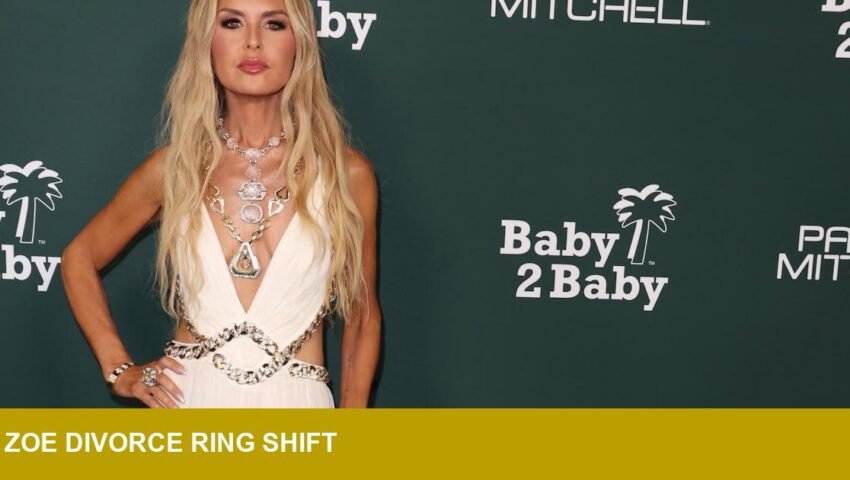
Rachel Zoe’s divorce ring is the latest celebrity example of a growing Hollywood movement: divorce rings. The piece — and the attention around it — underscores a subtle but material change in how symbolic jewellery is being used and merchandised, a development that could reallocate some consumer spend from traditional bridal assortments toward purpose‑built post‑marital jewellery.
- Who: Rachel Zoe (celebrity stylist and public figure)
- Item: divorce ring — a symbolic, post‑marital accessory
- Trend note: divorce rings are on the rise in Hollywood
- Market relevance: US jewellers and retailers may see shifting demand in symbolic jewellery
Where this fits in current jewellery trends
The rise of divorce rings sits comfortably within the quiet‑luxury trajectory: discreet design, tactile finishes and deliberate provenance are taking precedence over overt branding. In practice, that means pieces positioned as emotional signifiers rather than lavish displays. For retail assortments this typically translates to lower‑profile silhouettes — narrow knife‑edge shanks, bezel or flush settings and satin‑finished gold — that read as personal and wearable rather than ceremonial.
At a category level, divorce rings represent a re‑filing of symbolic spend. Where bridal jewellery has historically dominated engagement and wedding budgets, a visible celebrity cohort adopting alternative tokens broadens the market for single, high‑margin pieces that address identity, transition and self‑investment.
Impact for US retailers, wholesalers and investors
For merchants the immediate implication is merchandising and assortment planning. Buyers should consider allocating dedicated SKUs and visual merchandising for post‑bridal jewellery rather than subsuming these pieces within bridal displays. Product development can lean into quiet‑luxury cues — compact profiles, tactile finishes and restrained pavé — which support repeat wear and higher perceived value without large carat or overt ornamentation.
From a pricing and inventory perspective, divorce rings allow retailers to offer tiered options: modest, satin‑finished signets or bands at accessible price points, and higher‑margin versions with open‑backed settings or a single high‑quality stone for a quieter luxury bracket. Marketing should reframe the proposition away from loss or spectacle and toward agency and lasting wearability; that narrative resonates with buyers seeking discreet investment pieces.
In short, Rachel Zoe’s choice to adopt a divorce ring is less about a single item than about signalling a durable niche. US players who monitor adoption among high‑visibility figures and adapt assortments and messaging accordingly can capture an emergent segment of post‑bridal demand while maintaining the restraint expected by quiet‑luxury consumers.
Image Referance: https://www.thezoereport.com/fashion/rachel-zoe-divorce-ring