
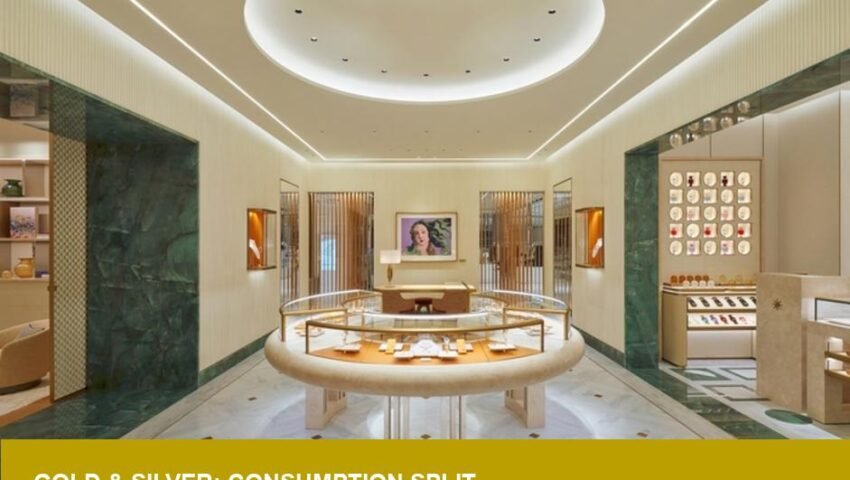
Jewelry consumption is showing a polarizing pattern as prices of precious metals such as gold and silver continue to rise, and the preference for safe assets has strengthened — bolstering demand for so‑called “jewelry as safe assets” while placing discretionary, fashion inventory under pricing pressure.
- Market signal: rising gold and silver prices
- Demand shift: stronger preference for jewelry as safe assets
- Product implication: buyers favour weighty, investment‑grade pieces over trend jewellery
- Risk for sellers: margin pressure on fashion and seasonal assortments
Context: where this sits in current market dynamics
Higher bullion levels reframe how consumers and investors evaluate jewellery. When precious‑metal prices climb, purchasing behaviour bifurcates — one cohort treats fine jewellery as a store of value, selecting pieces with intrinsic metal weight, classic silhouettes and open‑backed settings that preserve resale clarity. Another cohort pulls back from discretionary buys, compressing demand for trend‑led, low‑price SKUs.
From a product perspective, the market increasingly prizes tactile and technical attributes that convey preservable value: substantial heft in a satin‑finished 18k gold band, knife‑edge shanks that reduce metal waste in certified pieces, or tightly graded pavé that supports clear provenance and assay. That shift aligns with a broader move toward quality over novelty when asset safety is top of mind.
Impact: what US retailers and wholesalers should consider
For US sellers the immediate considerations are inventory mix and pricing transparency. Merchants holding large assortments of fashion jewellery may see sales cadence slow and find margin compression as buyers reallocate spend toward metal‑heavy or certified investment pieces. Adjusting merchandising to highlight metal content, assay documentation and buyback or trade‑in options can preserve conversion.
Procurement should reassess lead times and lot sizing: smaller, curated buys of high‑metal‑content SKUs and an emphasis on traceability reduce exposure if bullion volatility reverses. Marketing must shift tone from novelty to verifiable value — communicate metal purity, manufacturing quality and resale pathways rather than relying on trend‑led storytelling.
Finally, wholesalers and financiers should watch category rotation closely. A sustained preference for jewellery as a safe asset can elevate demand for classic metal pieces and compress the seasonal window for fashion lines, affecting working capital and margin planning across the supply chain.
Image Referance: https://www.mk.co.kr/en/business/11942929