
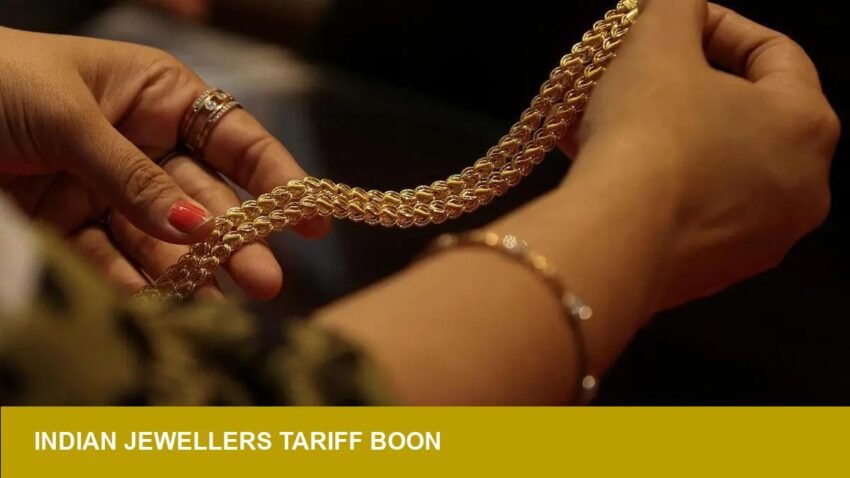
Indian jewellers say they are “cautiously optimistic” about regaining lost ground in the US after recent tariff reductions that improve price competitiveness and export potential for manufacturers and exporters. The change removes a structural cost disadvantage, creating clearer pathways for Indian firms to price more aggressively in US retail and wholesale channels.
- Who: Indian jewellers and manufacturers
- Market: United States — retail and wholesale channels
- Change: tariff reductions improving export competitiveness
- Implication: enhanced ability to compete on price and delivery
Context: where this fits in current jewellery trade dynamics
The reduction in tariff barriers comes as manufacturers globally reassess supply chains and sourcing strategies. For Indian workshops—known for scale in casting, hand finishing and gem‑setting—a lower tariff environment restores a key commercial lever: landed cost. That matters for price‑sensitive categories where margins hinge on small per‑piece differentials, and for pieces that rely on refined handwork such as micro‑pavé rings or satin‑finished gold bracelets where labour intensity is a selling point.
For the broader market, the change intersects with two ongoing trends: retailers prioritise margin preservation across accessory assortments, and consumers increasingly expect transparent provenance alongside competitive pricing. Indian producers can underscore craftsmanship and consistent lead times while competing on unit price, rather than relying solely on promotional discounting.
Impact: what US retailers, wholesalers and investors should consider
Retail buyers and category managers should reassess vendor scorecards and landed‑cost models. With tariffs reduced, Indian suppliers can offer tighter price points without compromising on finish or supply reliability—presenting an opportunity to re‑negotiate purchase terms, shorten replenishment cycles and improve inventory turns on staple SKU ranges.
Wholesale distributors may see pressure to rebalance assortments between cost‑led pieces and higher‑margin, limited‑run items. For jewellery retailers focused on quiet luxury, the tactical response can be selective: increase allocation to Indian‑made pieces where substantial heft, neat knife‑edge shanks and precise stone‑setting provide clear retail justification, while maintaining a curated high‑margin core.
For investors and category strategists, the tariff shift is a signal to monitor market share moves rather than a forecast of immediate category transformation. Expect gradual recovery as trade flows adjust and as suppliers demonstrate consistent quality and traceable production practices. Marketing should emphasise craftsmanship, dependable finish and commercial pricing—arguments that resonate with value‑conscious US buyers without diluting a quiet‑luxury presentation.
Image Referance: https://www.thehindubusinessline.com/economy/jewellers-cautiously-optimistic-on-regaining-lost-ground-in-us/article70587942.ece