
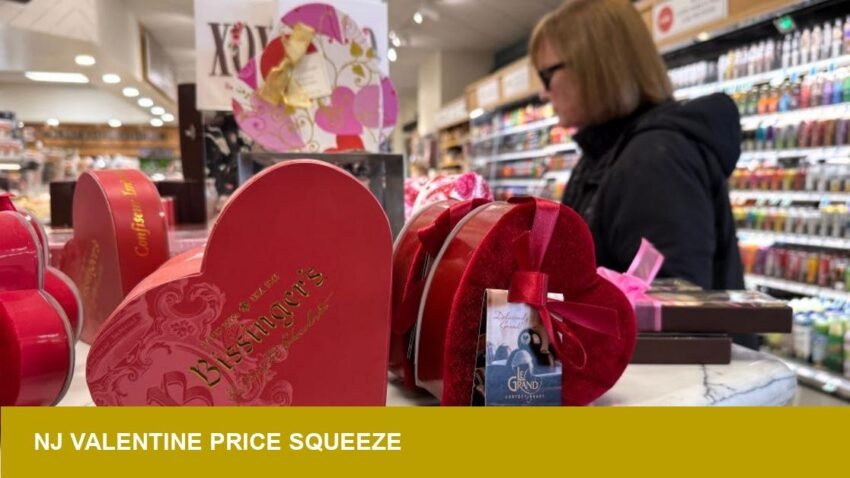
New Jersey retailers report higher prices for Valentine’s Day 2026 gifts as chocolate, jewelry, roses and wine become more expensive amid President Trump’s tariffs and persistent inflation. The increase is hitting both floor traffic and margins for independent jewelers, florists and specialty food shops across the state.
- Region: New Jersey (US market).
- Timing: Valentine’s Day 2026 season.
- Categories affected: chocolate, jewelry, roses, wine.
- Primary drivers cited: President Trump’s tariffs and ongoing inflation.
Context: where this sits in 2025–26 retail trends
The cost pressures in New Jersey mirror broader 2025–26 dynamics: higher import duties, elevated freight and packaging costs, and general consumer‑price inflation. For floral suppliers—highly dependent on imported stems—tariff‑driven duty changes compound seasonal freight premiums. In edible luxury, cocoa, specialty wine and artisanal chocolate producers face increased input and transport costs that are typically passed to the retail price.
In jewelry, even modest adjustments to metal and gemstone costs have an outsized effect on price and margin. Pieces with substantial heft, knife‑edge shanks or dense pavé work require more metal and setting labour; those production inputs are sensitive to commodity and duty moves. Retail assortments that emphasize micro‑pavé, open‑backed settings or elaborate finishing demand greater craft hours—an expense that tightens when tariffs lift input costs or inflation raises wages.
Impact: what this means for US retailers, wholesalers and investors
For New Jersey independents and regional chains the immediate choices are limited: absorb margin pressure, raise retail prices, or reconfigure assortments. Practical merchandising responses include shifting toward SKUs with lower metal weight or simpler setting types, offering tiered price points, and bundling goods (for example, pairing mid‑tier jewelry with premium packaging rather than upgrading raw materials). Florists and wine merchants may increase pre‑season buying to lock current freight rates or favour domestic suppliers to reduce tariff exposure.
Investor and buyer signals are clear: categories with high import intensity will remain vulnerable to policy changes, while value‑oriented formats and locally sourced inventory can offer resilience. Marketing should avoid generic luxury rhetoric and instead foreground tangible attributes—craftsmanship, finish (satin‑finished gold versus plated), or grape and bean origin—to justify pricing to discerning buyers. For jewelers, clear SKU-level cost narratives (metal content, setting complexity, labour) help maintain threshold margins without eroding brand positioning.
In short, New Jersey’s Valentine’s pricing shows how policy and macro costs filter quickly into seasonal gift categories. Retailers that manage assortments, procurement timing and communication with disciplined, product‑level detail will be best placed to protect margins and customer trust through the 2026 season.
Image Referance: https://www.northjersey.com/story/news/business/2026/02/09/valentines-day-costs-in-nj-a-heartbreaker-amid-tariffs-inflation/88514984007/?gnt-cfr=1&gca-cat=p&gca-uir=false&gca-epti=z112608p002950c002950v112608&gca-ft=53&gca-ds=sophi