
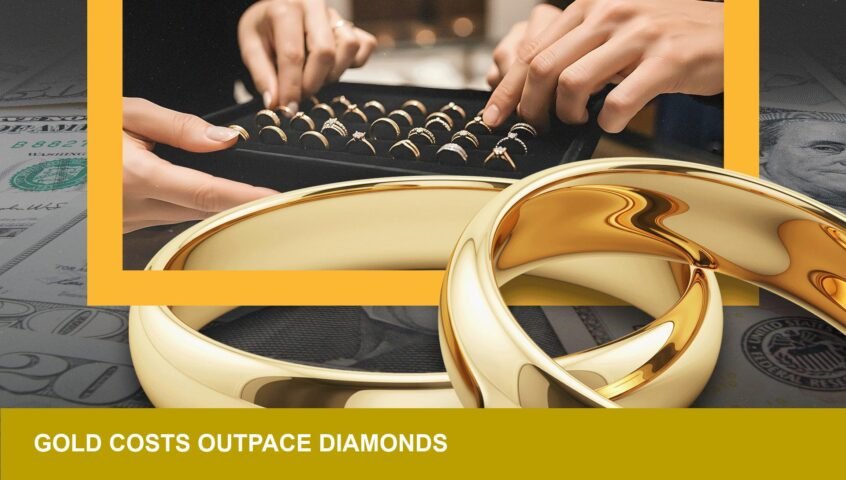
This Valentine’s Day, rising gold costs are altering the usual price calculus: plain gold jewelry — simple bands and chains with substantial heft and satin‑finished surfaces — is commanding higher retail prices than comparable diamond pieces, even as partners are expected to spend around $7 billion on jewelry for the holiday.
- Estimated holiday jewelry spend: ~ $7 billion
- Material focus: gold (fast‑rising costs) vs diamonds
- Products affected: plain gold bands, simple chains; contrast with diamond‑accent styles
- Timing: this Valentine’s Day
Context: where this fits in 2025–26 trends
The shift underscores two concurrent market dynamics seen through 2025–26. First, metal cost volatility can outpace the consumer perception that diamonds are the pricier option; a ring with substantial gold weight and a satin or polished finish can carry a higher materials cost than a similar item featuring small melee diamonds set in micro‑pavé. Second, the quiet‑luxury aesthetic — pared‑back silhouettes, visible metal weight and clean profiles — has increased demand for plain gold pieces, intensifying exposure to gold price moves.
From a product perspective, plain pieces emphasize craftsmanship and metal quality: knife‑edge shanks, uniform thickness, and open‑backed settings that reveal the metal’s color and finish. Those attributes translate directly into gram‑based material cost rather than per‑stone pricing, which is why a simple gold band can now outprice diamond‑accent alternatives in certain assortments.
Impact: why US retailers, wholesalers and investors should care
For retailers and wholesalers, the immediate effect is on assortment and margin management. Items priced primarily on metal weight require tighter control of inventory turn and wholesale procurement; collection fills heavy in plain gold increase exposure to metal price swings. Merchandisers should review buy costs and consider tiered SKU strategies—lighter‑weight gold options, mixed‑metal items, or diamond‑accent SKUs that retain perceived value without the same metal exposure.
Marketing and sales teams must reframe product narratives. Where diamonds have historically been presented as the default signifier of value, plain gold now needs explanation in terms of heft, purity and finish — highlighting vitreous luster, satin surfaces, and the tactile presence of the piece rather than relying solely on gemstone messaging. For investors and category planners, watch for inventory shifts toward lighter‑metal or hybrid pieces and for margin compression on gram‑heavy SKUs if gold remains elevated.
Operationally, consider updating point‑of‑sale training so staff can explain why a plain gold band may cost more than a diamond pendant, and recheck pricing algorithms that tie margins to assumed material costs. In a market where partners will still allocate roughly $7 billion to jewelry this holiday, clarity around material pricing and assortment strategy will preserve margins and customer trust.
Image Referance: https://san.com/cc/why-plain-gold-can-cost-more-than-diamonds-this-valentines-day/