
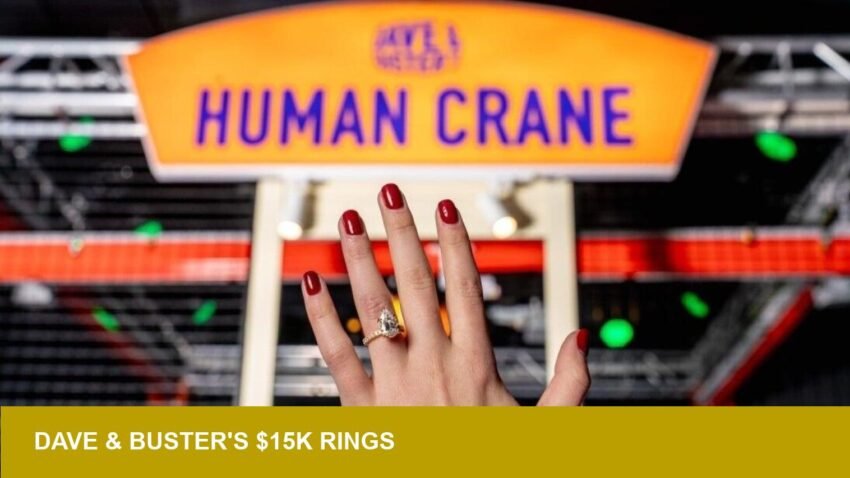
Dave & Buster’s ran a promotion offering five 3‑carat “diamond” engagement rings valued at $15,000 apiece, a price point and specification that has prompted questions about whether lab‑grown status was adequately disclosed. Retailers and industry observers flagged the use of the unqualified term “diamond” in marketing as the immediate trigger for disclosure concerns.
- Price: $15,000 per ring (advertised value)
- Carat weight: 3 carats each (as described in the promotion)
- Gemstone: described as “diamond” — lab‑grown disclosure reportedly questioned
- Retailer: Dave & Buster’s (promotional campaign)
- Market: US engagement/bridal segment and promotional retail
Context: disclosure, lab‑grown uptake and retail positioning
The promotion sits at the intersection of two active conversations in US jewelry retail: the growing penetration of lab‑grown diamonds into bridal assortments, and heightened expectations around clear disclosure. A 3‑carat specification signals a substantial engagement offering — significant not only for perceived value but for how that value is described to consumers. Whether a stone is natural or lab‑grown influences consumer perception of rarity, resale expectations and long‑term valuation. For retailers, the technical distinction between origin (substrate, growth process) and traditional natural sourcing is now a merchandising and legal concern as much as an aesthetic one.
Impact: what US retailers, wholesalers and investors should consider
For US retailers and wholesalers, the episode underscores operational decisions that affect margins and trust. Merchandisers should ensure point‑of‑sale and promotional copy clearly identify origin where required or expected; ambiguous language can prompt consumer complaints and complicate after‑sale service. Inventory planning should treat high‑carat SKUs differently by origin — lab‑grown pieces often sit in a different price tier and demand different margin strategies than equivalent natural stones.
From an investor and category‑management perspective, the incident is a reminder that non‑traditional channels using jewelry as promotional bait expose broader firms to reputational risk. Marketing that emphasizes $15,000 valuation and 3‑carat weight without explicit origin language tests consumer expectations and the industry’s tolerance for ambiguous disclosure. Brands and independent retailers alike may need to refine copy controls, training on technical descriptors (carat, cut, color, clarity and origin) and post‑sale policies to prevent erosion of trust in higher‑ticket bridal segments.
In short, the Dave & Buster’s promotion is less a singular pricing event than a prompt: clear origin disclosure and precise technical description have moved from best practice to commercial necessity in the US market as lab‑grown stones become routine in bridal assortments.
Image Referance: https://rapaport.com/news/dave-busters-15k-diamond-ring-offer-raises-lab-grown-disclosure-questions/