
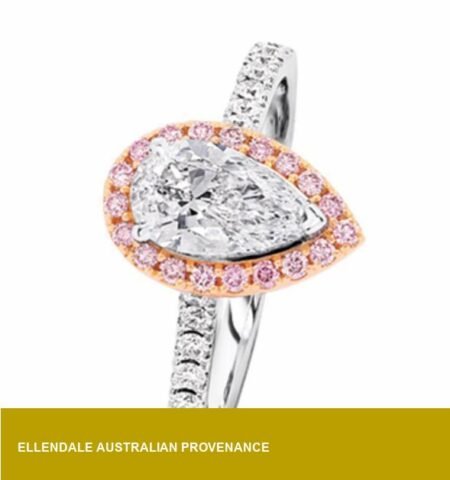
Ellendale Diamonds—distinctly Australian—are gaining prominence because provenance, ethics and authenticity now shape purchase decisions as much as visual beauty. The brand’s emphasis on Australian sourcing and documented, responsible supply chains adds depth to the purchase and can support stronger price positioning through heightened emotional value.
- Gemstone: Ellendale diamonds — Australian origin
- Consumer drivers: origin, ethics, authenticity prioritized over visual beauty or rarity
- Provenance: responsibly supplied and supported by documented provenance
- Commercial implication: provenance adds emotional value and can justify premium positioning at retail
Where this fits in 2025–26 trends
Provenance and traceability have moved from niche selling points to primary purchase criteria for a growing segment of consumers. For diamonds, origin is now a narrative layer that complements optical qualities—brilliance, facet definition and cut precision—rather than competing with them. Retailers are responding by elevating documentation and origin storytelling alongside product specifications.
This aligns with broader sustainability and authenticity trends: buyers ask whether a stone is responsibly supplied and whether its journey is auditable. Where a certificate once primarily described cut, color and clarity, it increasingly needs to confirm origin, chain of custody and ethical sourcing—attributes that supply an emotional premium.
The Impact on US retailers and wholesalers
For US sellers, Ellendale’s emphasis on Australian origin suggests several practical shifts. Merchants should present provenance as a tangible attribute at point of sale: clear origin labels, accessible documentation and sales staff trained to explain what “responsibly supplied” means in practice. Display strategies can pair technical descriptions—cut proportions, facet junctions and adamantine luster—with provenance notes so customers perceive both craft and origin in the same breath.
Inventory and pricing strategies should account for the emotional value provenance creates. Stocking a curated selection of origin‑confirmed stones lets retailers segment assortments: pieces positioned for buyers prioritizing traceability can carry a modest premium, while broader assortments remain competitively priced. Marketing copy should be precise and verifiable—quiet, factual claims about sourcing and chain of custody resonate more with this audience than hyperbole.
Ultimately, Ellendale’s model reinforces that origin is now part of the product specification. For retailers, integrating provenance into assortment planning, staff training and certification presentation is the most direct way to translate authenticity into margin and customer loyalty.
Image Referance: https://jewelleryworld.net.au/products/diamonds/heritage-provenance-and-emotional-value/