
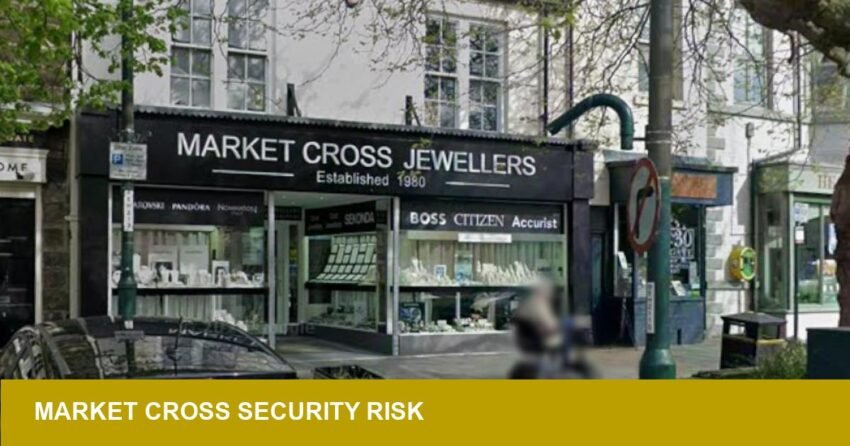
Market Cross Jewellers reported a “terrifying” incident in which a hammer‑wielding suspect allegedly robbed the store, leaving staff visibly shaken and prompting shoppers to pursue the individual. The jeweller publicly thanked the customers who intervened; the episode draws attention to inventory exposure and operational risk for independent retailers.
- Incident described as a “hammer‑wielding” robbery and “terrifying” for staff
- Customers pursued the suspect and were thanked by the jeweller
- Store staff reported as shaken following the event
- Retail implications: increased inventory and insurance risk for independents
Where this fits in current retail security trends
Retail crime has emerged as a material operational risk for jewelers, particularly independents with high‑value stock and street‑facing displays. Incidents like this underscore familiar pressure points: visible display cases offering vitreous reflections, compact counters that provide little barrier, and small teams managing both sales and surveillance. For merchants that trade in high‑value items—solitaires, coloured stones and fine watches—loss and disruption can translate directly into margin erosion via theft, higher insurance premiums, and reassignment of working capital to security measures.
Industry responses over the past 18 months have been practical rather than theatrical: reassessing window displays, hardening fixtures, upgrading CCTV and alarm systems, and tightening overnight safe protocols. Those measures align with quieter merchandising priorities—reducing risk without undermining the tactile, substantial heft that luxury shoppers expect when trying on pieces.
Why US retailers, wholesalers and investors should take note
For US independents and regional chains, the Market Cross episode is a reminder to audit exposure on several fronts. Inventory strategy may need adjustment: consider limiting open‑front displays for the highest‑value items, increasing use of locked show trays, and accelerating movement of stock to offsite safes during risk windows. Retailers should also review policy limits and deductible structures with insurers; even without a headline settlement, claims activity can push premiums and affect gross margin.
Operationally, staff safety protocols and training are immediate priorities—clear procedures for silent alarms, incident de‑escalation and post‑incident support reduce both human cost and reputational fallout. From a marketing standpoint, independent jewellers should communicate security and safety measures with the quiet confidence that resonates with affluent customers: factual statements about protected inventory, discreet concierge services, and appointment‑only viewings reassure buyers without resorting to overtly defensive displays.
While the full loss details and any legal outcome have not been published, the incident reinforces a strategic truth for the sector: retail security is a component of inventory management and a line item in margin planning. Small‑ticket operational decisions—fixture choice, staffing levels, and insurance cover—have measurable financial consequences in a market where theft and disruption are persistent risks.
Image Referance: https://www.thenorthernecho.co.uk/news/25937990.market-cross-jewellers-staff-shaken-robbery/