
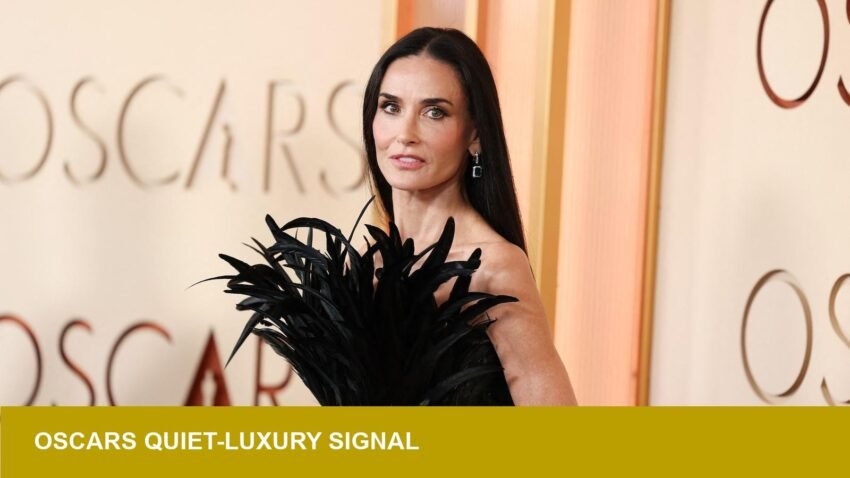
Fashion experts joined Good Morning America on Monday morning to review the 2026 Oscars red carpet, and their consensus—measured, precise—suggests a tangible aesthetic shift. The panel highlighted restrained silhouettes and subdued jewellery choices that, they say, favor quiet‑luxury pieces retailers can merchandise for improved margins and longer sales cycles.
- Date & venue: 2026 Oscars coverage, segment aired Monday on Good Morning America.
- Primary aesthetic: restrained silhouettes, pared accessories; emphasis on material and finish over overt ornament.
- Target category: red‑carpet high jewellery and eveningwear in the US market.
- Retail implication: opportunity to reposition inventory toward refined, higher‑margin essentials.
Context: where the Oscars look fits in 2025–26 trends
The GMA commentary aligns with a wider movement through 2025 into 2026 toward quieter red‑carpet dressing. Instead of maximalist embellishment, the moment favors satin‑finished silk gowns, sculptural metalwork and jewellery treatments that read as crafted rather than conspicuous. For jewellers that means pieces with clear technical virtues—micro‑pavé precision, open‑backed settings that maximise brilliance without bulk, knife‑edge shanks and balanced proportions—rather than oversized stones alone.
Parallel pressures remain relevant: sustainability and traceability continue to influence procurement decisions. Even without explicit celebrity disclosures, buyers increasingly prize recycled precious metals and documented supply chains; those attributes complement a quiet‑luxury narrative because they shift value to provenance and finish rather than logo or scale.
Impact: why US retailers, wholesalers and investors should pay attention
For US retailers the Oscars’ tonal change is actionable. Merchandising should lean toward a curated edit of eveningwear and jewellery that emphasises tactile quality—satiny fabrics, silky nacre for cultured pearls, pieces with substantial heft but restrained silhouette. Buyers can reduce full‑price risk by allocating square footage and online real estate to refined studs, low‑profile bracelets and sculptural signet rings that convert across bridal and occasion categories.
Wholesalers and designers should prioritise finish and fitting details that read well both in person and on camera: open‑backed settings to maintain apparent carat weight with lower metal mass, micro‑pavé for controlled brilliance, and satin rather than high‑gloss metal polishing for a softer visual. Those choices can protect margins while meeting demand for pieces that photograph discreetly well under red‑carpet lighting.
For investors, the signal is not a call to rotate categories overnight but to watch assortment mix and sell‑through on refined SKUs. A steady shift toward quiet‑luxury reduces price sensitivity for well‑executed basics and could lengthen product life cycles—both bullish for brands that can demonstrate craft credentials and traceable sourcing.
Good Morning America’s segment did not catalogue designers or cite sales figures; its value for trade readers lies in distilling an aesthetic stance that carries commercial consequences. Retailers who adjust assortments and storytelling toward craft, finish and provenance will be better positioned as buyers respond to the quieter red‑carpet mood.
Image Referance: https://abcnews.com/GMA/Style/fashion-experts-weigh-2026-oscars-best-dressed/story?id=131121253