
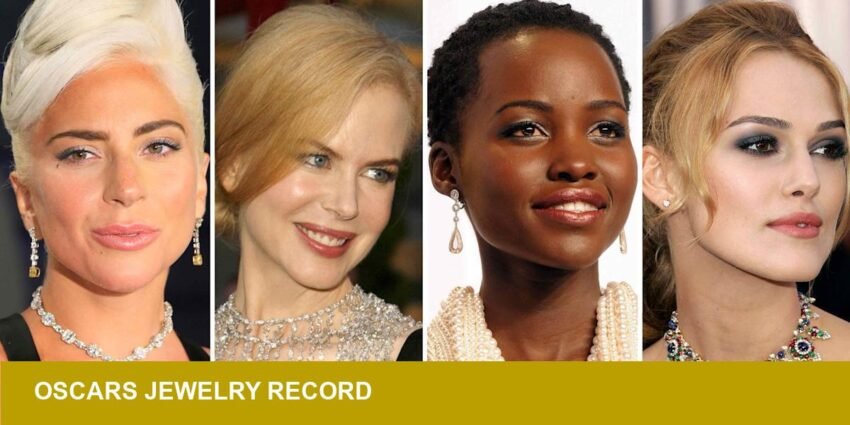
The Oscars’ most extravagant jewelry—described in industry coverage as among the most expensive ever shown on the red carpet—has produced record‑breaking pieces, shifting attention back to high‑jewelry valuation and collectibility.
- Subject: Oscars red‑carpet jewelry
- Nature: Extravagant, expensive; some pieces are record‑breaking
- Audience: Collectors, high‑jewelry houses and US retailers
- Timing: Annual Academy Awards / red‑carpet window
Context: Where this sits in current luxury jewelry trends
Red‑carpet jewels have long functioned as both marketing and valuation events for the high‑end segment. In 2025–26 that role is underscored by two dynamics: concentration of media value in single appearances and the premium placed on provenance and craftsmanship. Pieces that command attention at the Oscars are typically notable for substantial carat weight, pristine material quality and refined finishing — vitreous luster on high‑grade gemstones, silky nacre on high‑end pearls, or the substantial heft of salon‑scale metalwork. Technical details such as micro‑pavé, open‑backed settings to enhance color, and knife‑edge shanks are common execution choices that preserve optical performance on camera.
Where coverage called pieces “record‑breaking,” the implication for the trade is clear: market appetite still exists at the top end for rare, well‑documented jewels. That appetite is spatially concentrated—the Oscars are a US‑centric media moment—and temporally compressed, creating a short, intense window for brand exposure and for market signaling to collectors and auction houses.
Impact: Why US retailers, wholesalers and investors should take note
For retailers and wholesalers, Oscar‑stage jewels that register as the most extravagant or record‑breaking reset customer expectations. Tactically this can mean:
- Merchandising: Allocate a visible but curated assortment of high‑jewelry that demonstrates comparable material quality and finishing; prioritize pieces that photograph well and read as substantial on camera and in video.
- Inventory strategy: Reinforce sourcing pipelines for verifiable provenance and maintain a small number of marquee pieces that can be deployed for trunk shows, press placements or loan agreements during awards season.
- Pricing and margins: Use documented red‑carpet provenance to defend premium pricing for singular pieces and to increase margin resilience on rare inventories.
- Marketing: Shift storytelling toward discreet technical detail—cut, clarity, mounting techniques, and traceable provenance—rather than overtly promotional language; this aligns with the quiet‑luxury sensibility buyers expect at the top end.
For investors and auction specialists, record notices tied to the Oscars are a sell‑side signal: high visibility can accelerate secondary‑market interest, tightening supply for specific types of jewelry and improving resale realizations where provenance is documented. For brands and public relations teams, the Oscars remain an efficient amplifier—one calibrated appearance can yield outsized valuation attention, provided the piece is fully documented and presented with technical credibility.
All readers should note: the observation that some Oscars pieces are “record‑breaking” is sourced from the event framing itself. No additional pricing or percentage figures are asserted here; instead the emphasis for the trade is on strategic responses to concentrated, high‑impact moments that continue to shape demand at the top of the market.
Image Referance: https://www.aol.com/articles/most-extravagant-expensive-oscars-jewelry-203000460.html