
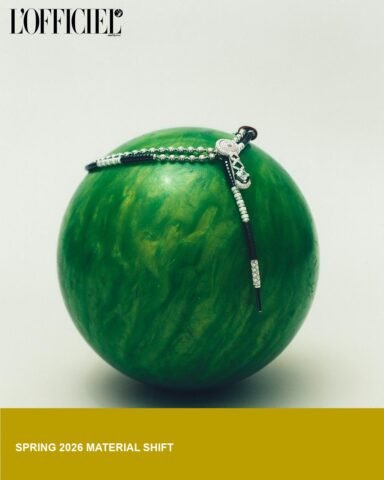
Spring 2026 jewelry trends offer a study in form, color and materiality. This season’s directional read — framed around proportion, surface and palette — is presented as a practical guide for retailers, wholesalers and designers seeking clear merchandising cues and assortment priorities for the Spring 2026 window.
- Season: Spring 2026
- Core themes: form, color, materiality
- Audience: retailers, wholesalers, designers
- Purpose: merchandising and assortment guidance for the season
Context: how form, color and materiality fit current direction
Spring 2026 narrows focus from pure ornament to the intersection of silhouette and surface. Form is defined by controlled volume and refined junctions — think knife-edge shanks, flattened links and architectural negative space rather than excessive layering. Color moves beyond accent stones into considered palette plays: restrained saturation, tonal pairings and the use of open-backed settings to deepen hue without increasing carat weight.
Materiality is the narrative pivot. Finishes — satin‑finished gold, burnished bezels, and high‑polish counters for contrast — are as consequential as the gem itself. Textural contrasts such as matte metals against micro‑pavé fields or silky nacre inlaid within sculptural mounts create perceived value through workmanship rather than scale. These choices align with a quieter luxury language focused on construction, surface treatment and tactile weight (substantial heft used sparingly) over overt branding.
Impact: what US retailers and buyers should do
Merchandise: Prioritize pieces that read well in single‑item presentation and in core hero sets. Assortments should balance a small number of sculptural statement items with a broader base of refined, wearable designs that emphasize finish and proportion.
Pricing and margin: With the season driven by craftsmanship and finish, margin can be protected by communicating technique — close‑up imagery that shows satin hems, knife‑edge precision and open backs will justify premium recommendations without demanding larger stone sizes.
Visual merchandising and e‑commerce: Product photography should emphasize tactile cues — macro shots of vitreous luster, visible joins, and the interplay of matte versus polished planes. In‑store, adjust lighting to reveal satin surfaces and the depth of color in open‑backed settings rather than relying on headline sparkle.
Design and sourcing: Consider allocating development time to finishes and proportion studies rather than simply increasing stone size. Alternative material combinations and controlled color palettes can broaden appeal while keeping inventory turns predictable.
For buyers and planners, Spring 2026 is less about chasing volume and more about selecting pieces that demonstrate precision of execution. That shift — from scale to craft — offers a clearer route to assortment coherence in the current retail cycle.
Image Referance: https://www.lofficielusa.com/fashion/spring-2026-jewelry-trends-tiffany-cartier-bulgari-accessories-necklaces-earrings-rings-wooden-two-tone-lariat-tassels