
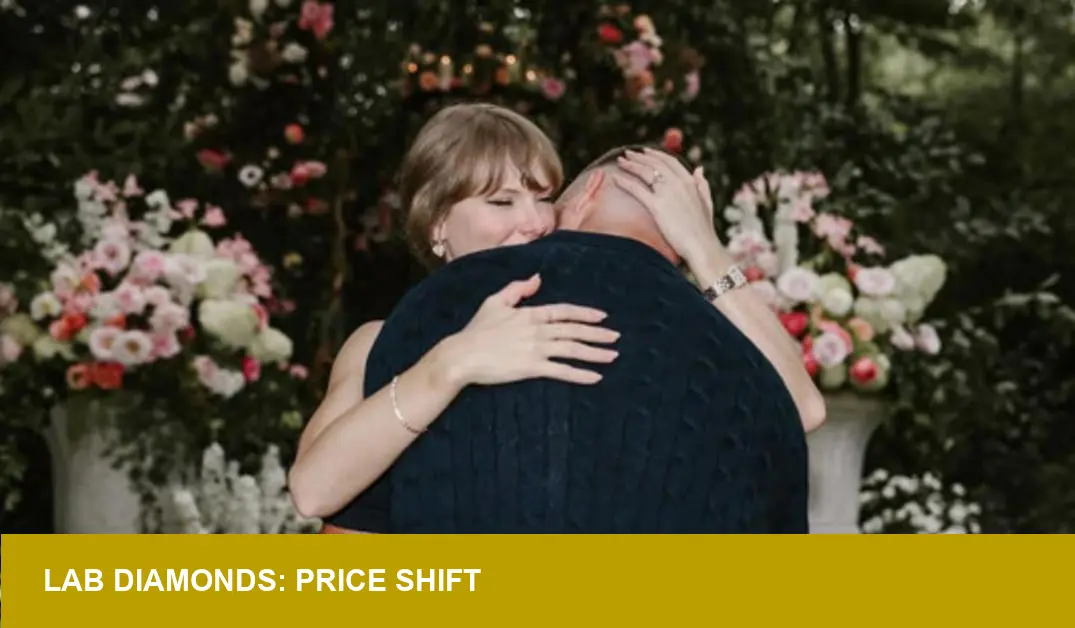
Jewellery experts say a cultural pivot is under way: lab-grown diamonds, once marketed as the sustainable, cost-efficient alternative, are being publicly dismissed as “worthless” by some tastemakers — while estate and vintage rings, with their warm patina and substantial heft, are commanding higher emotional and market value. That shift, amplified by high-profile visibility around Taylor Swift’s preference for older styles, is already nudging resale and retail pricing across the US.
- Price: Typical estate engagement rings range $3,000–$25,000 (condition and provenance dependent)
- Carat Weight: Most sought-after centers 0.5–2.0 ct (cut and setting often more decisive than size)
- Origin: Pre-owned / estate; often early 20th-century to mid-century manufacture
- Date observed: Demand acceleration, 2024–2025
Context: Why 2025 Reframes Value
Three 2025 dynamics are converging. First, sustainability conversations have matured beyond simple lab-grown versus mined binaries; consumers now factor provenance, lifecycle repairability and circularity into purchase math. Second, lab-grown prices have compressed, tightening margins and altering perceived resale value. Third, sculptural and idiosyncratic aesthetics—engraved bezels, millegrain edges, and mixed-metal settings—are favored for their tactile authenticity: a vitreous luster paired with a warm patina feels more personal than a factory-perfect brilliance.
These dynamics are not merely stylistic. For many buyers the sensory cues of an estate piece—a cold, weighty band that settles with a substantial heft on the finger, a lightly worn crown that suggests history—translate into an emotional premium. In public-facing moments, that premium is amplified: visible endorsements and lifestyle cues from cultural figures can shorten the runway from niche to mainstream.
Impact: What This Means for US Retailers and Investors
Retailers should treat this as a pricing and inventory inflection rather than a fad. Lab-grown stones still serve a segment focused on price-per-carat and consistent supply; but their secondary-market outlook is shifting. Estate pieces offer higher margins on provenance, restoration and storytelling. Investors tracking longevity should note that resale multiples for authenticated vintage rings—when paired with documented provenance and professional conservation—are outperforming comparable new lab-grown offers in several urban markets.
Operational actions that matter:
- Prioritise authenticated estate acquisitions with clear provenance and documentation; conservative pricing beats speculative markdowns.
- Invest in in-house conservation: light replating, bezel stabilisation and gem re-polish restore vitreous luster without erasing patina.
- Reframe marketing copy to emphasise tactile attributes—substantial heft, warm patina, engraved detail—alongside certification and sustainability credentials.
- Segment inventory and training: sales teams should qualify clients on emotional drivers (heritage, feel) versus transactional drivers (price per carat).
Takeaway
The rhetorical dismissal of lab diamonds as “useless” is an overstatement; they remain an economic and ethical choice for many buyers. The takeaway for US retailers and investors is pragmatic: curate a balanced assortment, price estate pieces to reflect both sensory and provenance premiums, and prepare for a market where cultural signals—like those around Taylor Swift—accelerate shifts in buyer perception and willingness to pay.
Image Referance: https://www.msn.com/en-ie/money/other/lab-diamonds-are-useless-and-really-worthless-jewellery-experts-on-how-old-gems-have-a-new-sparkle-thanks-to-taylor-swift/ar-AA1SgA9l?ocid=finance-verthp-feeds