
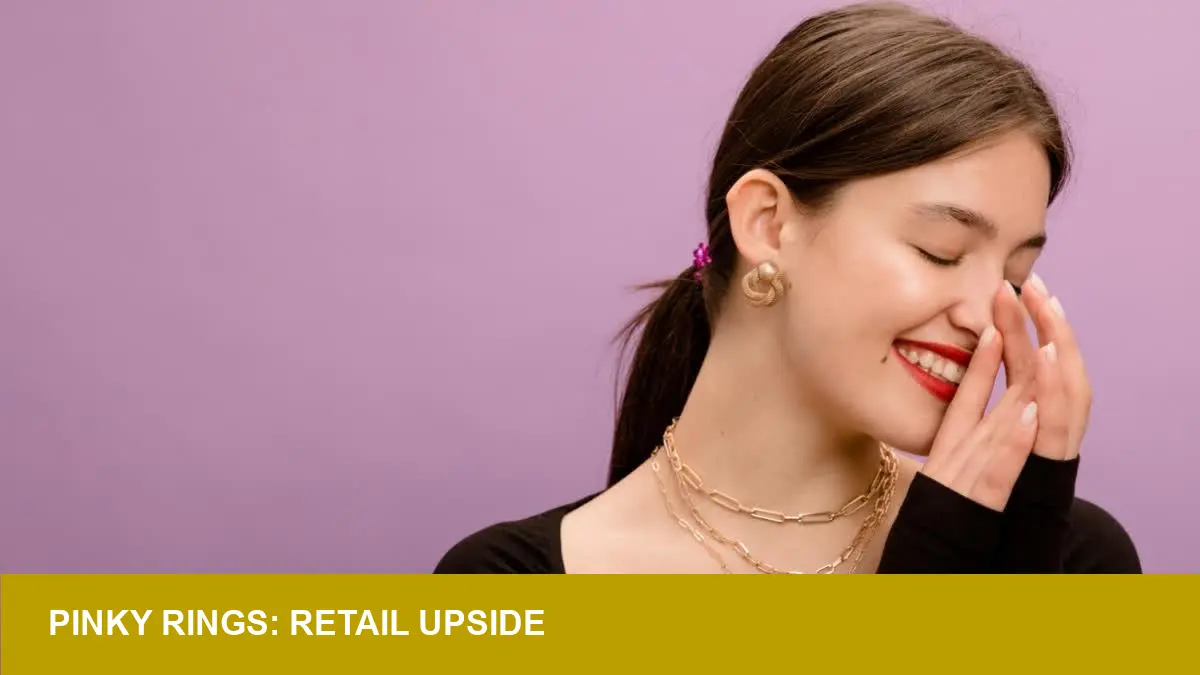
The trade is shifting from spectacle to sustained value: refined chokers, the pinky-ring revival and lab-grown diamonds are set to change inventory velocity and margins for U.S. retailers in 2026.
- Price (typical): $2,000–$12,000 (refined choker; retail)
- Carat weight (aggregate): 0.25–2.0 ct (everyday diamond pieces)
- Origin: Design hubs — New York, Mumbai; supply — lab-grown centers
- Date: 2026 trend forecast (carried from 2025 market signals)

Refined Chokers: The Sculptural Collar
The 2026 choker is a sculptural collar with a satiny warmth and a measured, vitreous luster. Think slim diamond lines and gold arcs that sit with a discreet, substantial heft at the collarbone. These pieces are designed to pair with tailoring as readily as traditional dress — they anchor looks rather than dominate them, and that restraint converts to broader retail appeal and more frequent purchase occasions.
Mixed Metals: Practical Contrast
Mixing metals is now deliberate design language rather than a stylistic accident. Yellow gold meeting platinum or rose gold layered with white gold offers a tactile, layered surface and simplifies buying decisions for consumers who want fewer constraints. For merchants this means sell-through improves when SKUs cross-match across price tiers.
Pinky Rings: The Small-Scale Signature
The pinky ring has moved from character prop to personal signature — small-scale, lean silhouettes, tiny lab-grown solitaires and engraved bands with a confident, finger-filling presence. Their lower price points and high perceived exclusivity make them effective entry items for new customers and repeat buys for collectors.
Rose Gold: A Mature Tone
Rose gold’s appeal hardens into utility: a soft, satiny tone that flatters and endures. As Trisha Paul of KISNA notes, rose gold marries traditional craftsmanship with a global aesthetic, offering a durable colour retention and a cross-generational fit that works in bridal as well as everyday lines. For retailers, rose gold allows margin preservation while addressing diverse customer bases.
Lab-Grown Diamonds: Precision and Practicality
Lab-grown diamonds stop being the alternative and become the intelligent choice. The emphasis shifts to precision cuts, experimental settings and lighter pieces with a perceptible, clean heft — diamonds designed to be worn daily rather than boxed for a single occasion. Vidita Kochar of Jewelbox points to more wearable, design-forward lab-grown pieces as inevitable; for retail, they broaden the frequency of diamond purchases and compress price-per-carat expectations without eroding perceived value.
Multitasking Jewellery: One Piece, Multiple Roles
Versatility is now product architecture: necklaces that convert to bracelets, earrings with modular lengths, and rings that both stack and stand alone. The tactile reward here is in convertibility and finish — polished edges, satin backs, engineered clasps — which reduce post-sale friction and raise lifetime customer value.
Context: From 2025 Signals to 2026 Demand
What began as supply-side shifts in 2025 — improved lab-grown output, tighter sustainability reporting, and a move toward sculptural aesthetics — hardens into consumer demand for wearability in 2026. Sustainability and traceability increasingly drive buying decisions in the U.S.; lab-grown supply chains offer verifiable provenance and lower price elasticity, while sculptural, quiet-luxury designs convert aspirational demand into repeat purchases.
Impact for U.S. Retailers and Investors
These trends alter merchandising math. Lower average unit price (via lab-grown stones and small-signature rings) combined with higher purchase frequency lifts inventory turnover. Mixed-metal assortments and modular SKUs reduce return rates and simplify omnichannel allocation. Retailers should prioritize:
- SKU rationalization: fewer, modular pieces across price bands to improve turns.
- Lab-grown integration: clear point-of-sale education and visible certifications to protect margins.
- Rose-gold assortments: cross-generational marketing to capture bridal and daily-wear pools.
- Small-signature items (pinky rings, chokers): use as high-margin entry points that lead to larger ticket sales.
The practical takeaway: 2026 favours jewellery that feels lived-in and thoughtfully made — pieces with a measured heft, satin finishes and convertible function. For merchants and investors, that translates to steadier sell-through, narrower markdowns and a clearer path to repeat business.
Image Referance: https://www.etvbharat.com/en/lifestyle/2026-jewelry-trend-forecast-enn25122203393