
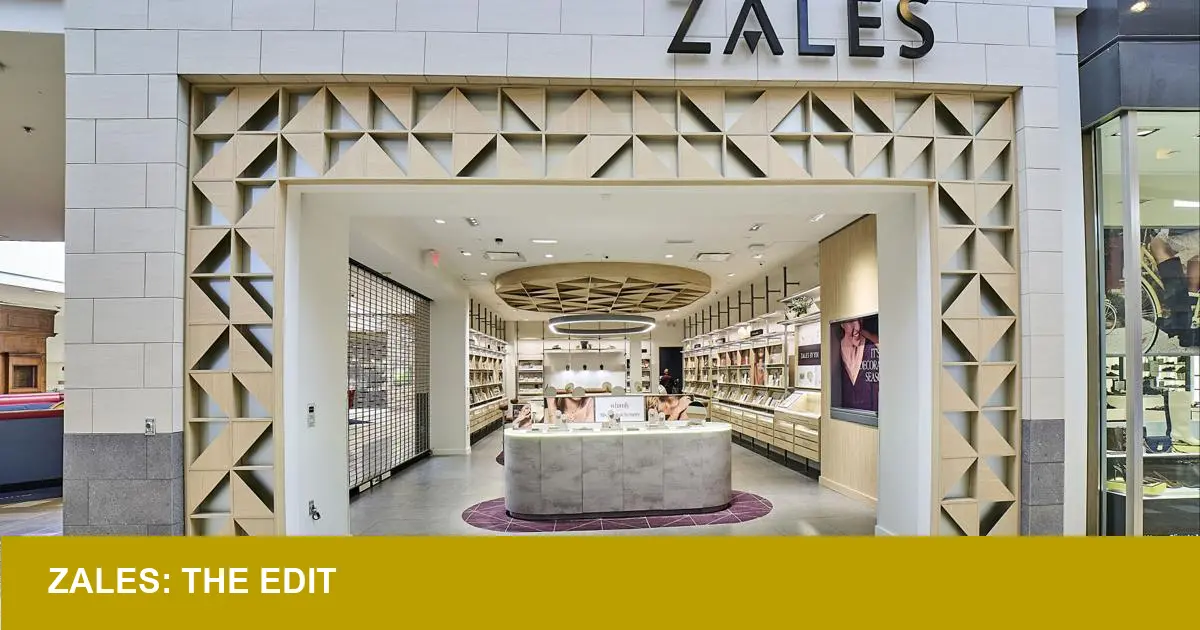
Zales launches “The Edit,” a curated retail concept intended to convert luxury browsers into repeat fine‑jewelry buyers and push average order values higher.
- Average Price Point: Target AOV $500+
- Average Carat Weight (best sellers): 0.25–0.75 ct
- Concept Origin: Zales merchandising lab, U.S. rollout beginning in Chandler, Arizona
- Launch Date: Dec. 22, 2025
What Zales announced
Zales has introduced “The Edit,” a modern store format that pares back conventional jewelry theatre in favor of restrained displays, tactile presentation and a curated assortment intended for daily wear. Debuting in Chandler Fashion Mall, the concept emphasizes warm brass fixtures, satin‑lined presentation trays and vitrified display pads that highlight the vitreous luster of diamonds and the satin glow of gold. Zales positions the format as a commercial move to broaden luxury purchase occasions and lift basket sizes across its mall and omnichannel footprint.
Why the timing matters (2025 context)
Three market forces in 2025 make this more than a cosmetic reset. First, consumer acceptance of lab‑grown stones has matured into price elasticity: retailers that mix lab and natural diamonds can sharpen entry points without eroding aspirational value. Second, sustainability expectations now influence assortment and sourcing narratives; measured transparency around traceability is table stakes. Third, sculptural, wearable design—clean lines, substantial heft at accessible price tiers—has become a dominant aesthetic, moving shoppers from occasional purchase to repeat acquisition.
How the concept works tactically
“The Edit” pairs a tightened SKU count with deliberate merchandising cues: fewer pieces per bay, tactile testing zones where rings and bracelets rest on velvet pads, and service flows that prioritize quick conversions alongside private consultation. The result is a retail cadence designed to increase conversion rates and frequency—shifting fine jewelry from milestone purchase to considered everyday purchase without sacrificing perceived exclusivity.
Impact for U.S. retailers and investors
For store operators, the thesis is straightforward: a curated environment with higher average ticket and faster turns can improve lease economics in lower‑traffic malls and stabilize pop‑up strategies in premium malls. For investors, the metrics to watch are conversion lift, AOV change, margin retention on lab‑grown vs. mined mixes, and inventory velocity. If Zales can sustain a 10–25% lift in AOV while maintaining gross margin through assortments that include lab‑grown stones and gold pieces with substantial heft, the format becomes a blueprint for scale.
What retailers should do now
National and independent retailers should test the core elements: reduced SKU breadth, tactile presentation, and mixed‑diamond assortments. Measure not only ticket size but purchase cadence; a modest increase in repeat buys signals the transition from occasion to habit. Pay attention to narrative: provenance and sustainable sourcing must be integrated into product copy and staff talking points to translate traceability into perceived value.
In practice, “The Edit” is less about radical reinvention and more about disciplined curation—an attempt to make fine jewelry feel as approachable and as materially satisfying as a well‑made everyday object. For Zales, the commercial stake is clear: convert luxury intent into repeat revenue without diluting the product’s vitreous luster or the customer’s perception of worth.

Image Referance: https://www.joplinglobe.com/region/national_business/zales-unveils-the-edit-a-modern-jewelry-retail-concept-inspiring-a-new-era-of-shopping/article_a909c5f6-b335-517f-b2ab-46e192ccfb5e.html