
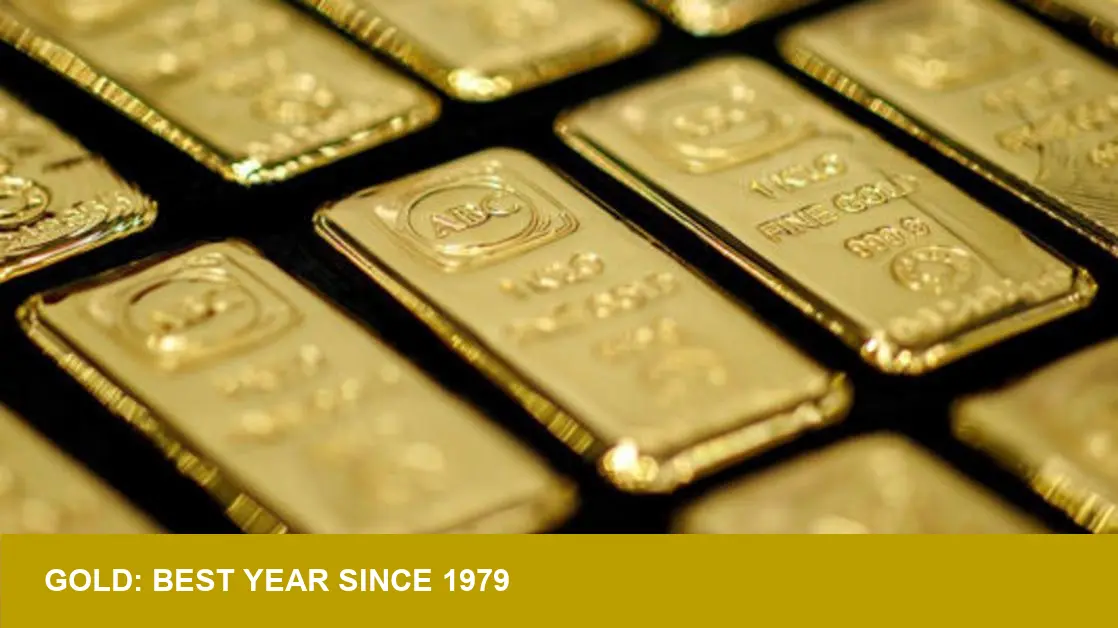
Second Headline: Gold is registering its strongest annual advance since 1979, lifting spot valuations and forcing tangible shifts in retail pricing, bullion inventory and investor hedging ahead of the next rate cycle.
- Spot price (USD/oz): trading near multi-decade highs
- Year-to-date gain: strongest since 1979
- Purity: 24k (fine gold bullion)
- Date: December 24, 2025
Market Context
After a prolonged period of muted volatility, gold has accelerated on a combination of sustained central-bank purchases, persistent macro uncertainty and renewed ETF inflows. The metal’s warm, metallic sheen has been matched by a literal heft in balance sheets — central banks and large institutional holders are adding ounces rather than trimming exposure. On exchanges such as COMEX, this has translated into tighter physical premiums and a steady drain on available bullion for immediate delivery.
How 2025 Trends Feed the Rally
Three structural themes have amplified gold’s advance this year. First, monetary policy divergence and expectations around Federal Reserve tightening left real yields compressed, boosting gold’s relative appeal as an inflation hedge. Second, responsible-sourcing requirements and traceability standards have narrowed the pool of readily marketable physical metal, lending a scarcity premium to audited, chain-of-custody bullion. Third, design and retail momentum toward substantial, sculptural pieces has supported physical demand in higher-margin channels; the piece’s substantial heft now reads as a deliberate value signal in-store.
Why This Matters for US Retailers and Investors
For US retailers, the immediate consequence is pricing and inventory strategy. Rising spot levels tighten margins when cost bases lag; dealers with older cost inventories carry a paper profit but face customer friction at point-of-sale as appraisals and buyback offers realign with current market levels. Sellers should reassess inventory turnover, tighten buyback spreads and price new sculptural pieces to reflect both material cost and the growing premium for responsibly sourced, deliverable bullion.
For investors, the move alters hedging and allocation calculus. ETFs and allocated accounts have been the primary conduits for incremental demand — but with physical premiums firming, holders seeking deliverable metal must factor in supply frictions and custody costs. Fixed-income portfolios should be stress-tested for lower real yields should central banks continue to prefer gold as a reserve asset.
What to Watch Next
Near-term drivers to monitor: Fed commentary on the terminal rate, reported central-bank purchases, and ETF flows into core instruments such as the SPDR Gold Trust. Equally important for retailers is the availability of audited bullion from responsible mines and refiners; the market is rewarding provenance, and that reward is visible in both wholesale spreads and end-customer willingness to pay for traceable stock.
Practically: expect tighter bid-ask spreads for well-documented bars and coins, a premium for immediate delivery, and increased customer interest in pieces that combine a satiny surface finish with the substantial heft customers now equate with enduring value. For buyers and sellers in the US, the present rally is not merely a price move — it is an inventory and marketing inflection point.
Image Referance: https://www.msn.com/en-us/money/markets/gold-is-set-for-its-best-year-since-jimmy-carter-was-president/ar-AA1SYWcJ