
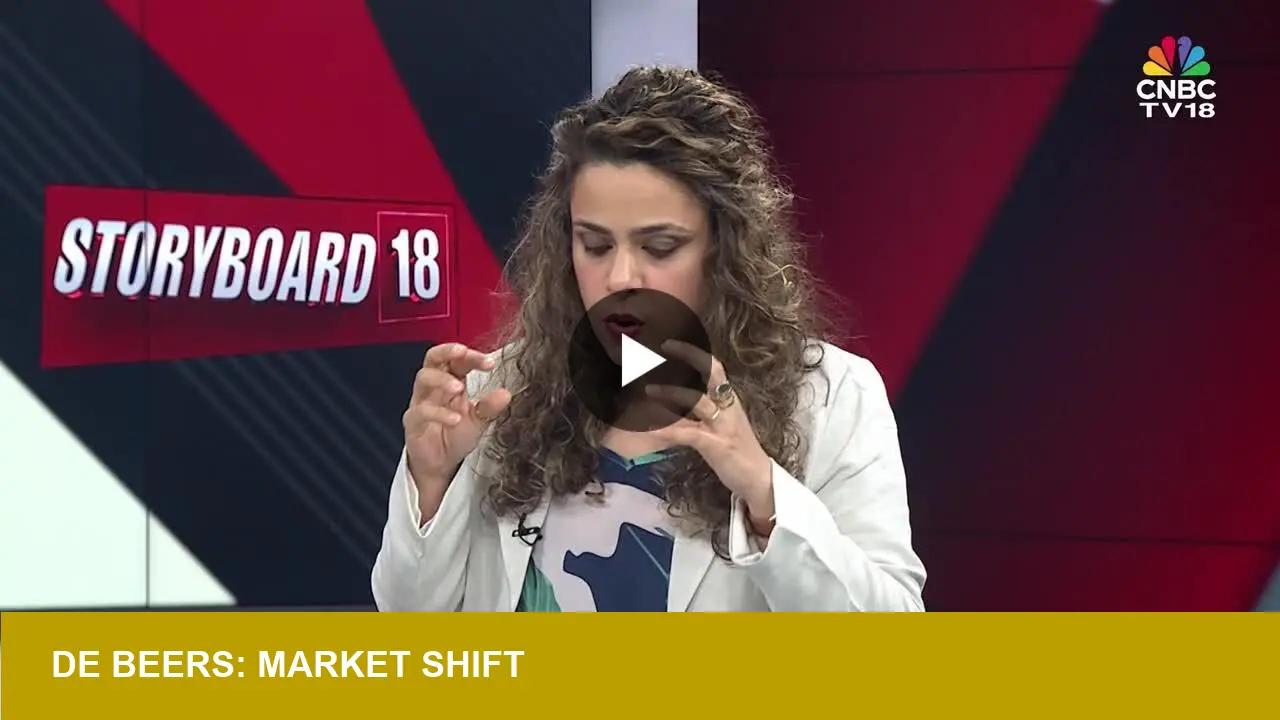
De Beers’ India marketing chief says the natural-diamond category is moving from occasion-led buys to lifestyle-led demand, strengthening premium pricing and long-term resale expectations for retailers and investors.
- Price: Premium natural-diamond positioning; price resilience versus lab-grown alternatives
- Carat Weight: Category focus — not single-stone specific
- Origin: India market; global supply from natural-mined sources with growing provenance emphasis
- Date: December 2025
What Toranj Mehta told Storyboard18
In a conversation on Storyboard18, Toranj Mehta, Vice President–Marketing at De Beers Group India, outlined subtle but material shifts reshaping demand. Consumers in India are treating natural diamonds less as singular ceremonial tokens and more as components of everyday wardrobe language — pieces chosen for their vitreous luster, substantial heft on the finger and traceable provenance. That change in purchase intent, Mehta argues, supports stronger retail margins and a more durable perception of value across the resale cycle.
How this fits 2025 trends
The shift dovetails with three defining 2025 dynamics: sustainability expectations, the differentiated value between natural and lab-grown stones, and the rise of sculptural, lifestyle-led aesthetics. Buyers—especially Gen Z—now demand verifiable origin stories and conservation-minded supply chains. For natural diamonds this means provenance is no longer optional: it is a commercial attribute that can be activated in marketing to defend a premium. At the same time, lab-grown alternatives are compressing entry-level price points, forcing natural diamonds to lean into rarity, long-term value retention and tactile qualities such as ‘vitreous luster’ and a ‘substantial heft’ that signal authenticity.
Why US retailers and investors should care
The implications for U.S. trade are practical. Retailers should reallocate marketing budgets toward category-wide education and provenance narratives rather than solely product promotions. Inventory strategy must account for two parallel pools: smaller, design-forward pieces that serve lifestyle buying, and investment-grade stones whose resale economics rely on intact provenance and certification. For investors, natural diamonds that can be marketed with documented origin and conservation credentials are likelier to retain a premium versus undifferentiated stones or crowded lab-grown inventory.
Commercial takeaways
Mehta’s message is strategic, not sensational: sustain trust through transparent storytelling, build product ranges that emphasize tactile quality and origin, and treat consumer education as a channel investment. For U.S. retailers this means product assortments should reflect lifestyle versatility and offer clear provenance touchpoints at point of sale; for investors, it means prioritizing lots with certification and traceability that translate to long-term value.
In an increasingly crowded luxury field, the natural-diamond category’s future will be decided as much by the firmness of provenance claims and the subtle physical cues of quality as by headline pricing. That quiet combination — vitreous luster, substantial heft and verifiable origin — is the new commercial language Mehta says the market must speak to hold premium ground.
Image Referance: https://www.linkedin.com/posts/cnbc-tv18_in-this-conversation-on-storyboard18-with-activity-7410323879195451392-yQ6Q