
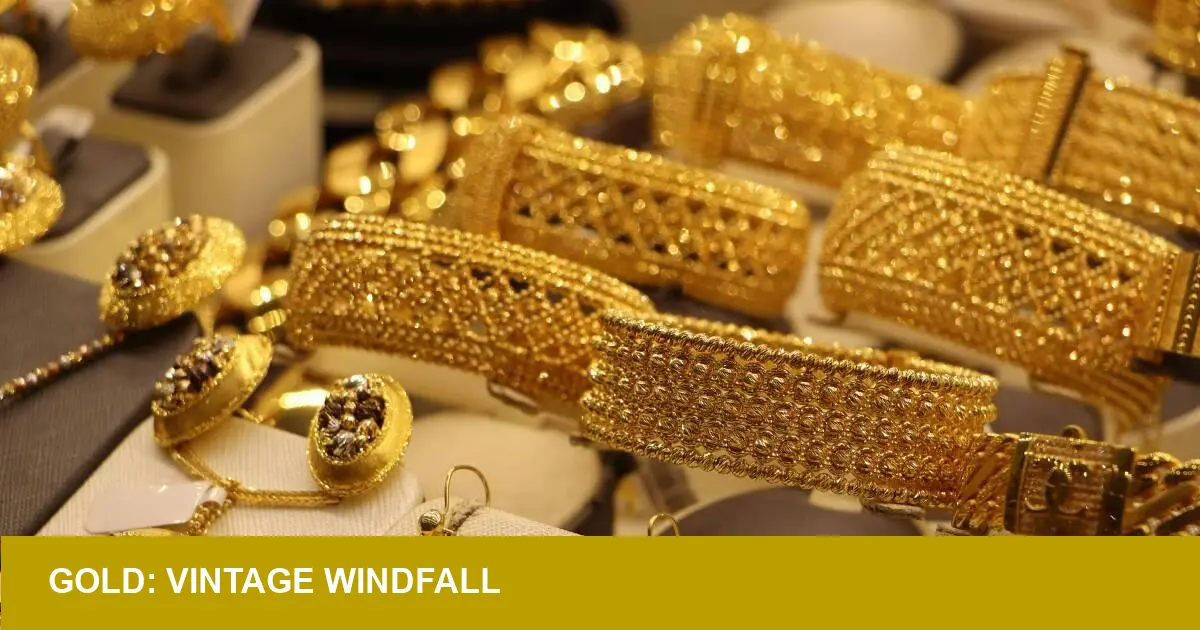
Hidden goldmine: Why your old jewellery could now be worth a fortune
As gold reached record highs in 2025, independent valuers and designers say overlooked vintage pieces — branded items, large coloured stones, and well-preserved period work — are delivering measurable windfalls for families and collectors.
- Representative price range: $1,200–$75,000+ (depends on brand, gems, provenance)
- Typical gem weights: 0.25–3.0 ct (single-stone examples); cluster pieces priced by total gem mass
- Origin: European and North American houses; branded makers (eg. Cartier) command premiums
- Appraisal date: December 2025 (market benchmark)
How experts are finding hidden value
Hansa Shah, an accredited international gems and jewellery valuer, says the current gold environment is amplifying the floor value of many pieces — but the premium often comes from craftsmanship, hallmarks and provenance rather than metal alone. Look for crisp hallmarks, intact authenticity cards, and stones with vitreous luster and substantial heft when handled; these tactile clues separate a modest melt valuation from a market-grade collectible.
Market context: 2025 trends shaping valuations
Three converging 2025 trends are rewriting retail and secondary-market pricing:
- Precious metals surge: Record gold levels reset melt-value baselines, raising the minimum liquidation value of older pieces.
- Sustainability and circular luxury: Consumers and collectors increasingly prize pre-owned provenance over new production, shifting value to well-documented heirlooms and conserved boxes and papers.
- Sculptural and lab-grown impact: While lab-grown diamonds continue to democratize new jewellery, rare natural coloured diamonds (eg. Argyle pinks and blues) and branded sculptural pieces retain outsized premiums.
Practical appraisal guidance
To convert dust-gathering jewellery into confirmed value, follow the inspection checklist used by professional valuers:
- Verify stamps and hallmarks (eg. 24K, 18K, PT, 925) and note patinated edges that indicate age.
- Bring any original receipts, authenticity cards, packaging and lab reports (GIA, AGS, regional labs) to establish provenance.
- Expect appraisers to quote fixed or hourly rates; avoid valuers who also offer to buy the item — that is a conflict of interest.
- For unclear metal content, request non-destructive testing or X-ray analysis rather than assuming composition by eye.
What a professional valuation will show
Typical valuation reports now list both metal-value conversions and market-value assessments. A full report will include client and item details, date and purpose of valuation (replacement, probate, sale), descriptions of metal and gems (colour, clarity, cut, carat), referenced lab reports and the valuer’s credentials and signature. In the current market, reports increasingly call out sustainability provenance and any original packaging as value multipliers.
Why this matters for U.S. retailers and investors
For retailers: auditing estate and trade-in inventory can unlock immediate liquidity and curated vintage offerings that meet 2025 consumer demand for circular luxury. Establishing partnerships with accredited valuers (GIA, ASA, AGS credentialed) reduces appraisal turnaround and improves buy-in confidence.
For investors: provenance and brand scarcity now outpace simple metal value. Target pieces with verifiable documentation, intact hallmarks, and natural-colour stones. Avoid overpaying for small-stud pieces that are priced by total mass rather than individual gems; those typically receive lower market premiums.
Red flags to avoid
- Valuers who purchase items they appraise.
- Lack of fixed-fee estimates or unclear reporting formats.
- Missing documentation for branded items (packaging, cards, lab reports).
- Assumptions that small melee diamonds are priced individually — many are valued as part of the whole.
Action steps
Retailers should schedule a rapid inventory audit focused on branded pieces, large natural-colour stones and intact provenance. Private owners should gather paperwork and seek an independent, credentialed appraisal before selling or remounting. In a market where gold lifts the baseline value, the difference between a melt-only sale and a market-grade sale can be substantial.
Source: Hansa Shah, independent gems and jewellery valuer; industry guidance as of December 2025.
Image Referance: https://www.thesenior.com.au/story/9140122/hidden-goldmine-uncover-hidden-value-in-vintage-jewellery-finds/