
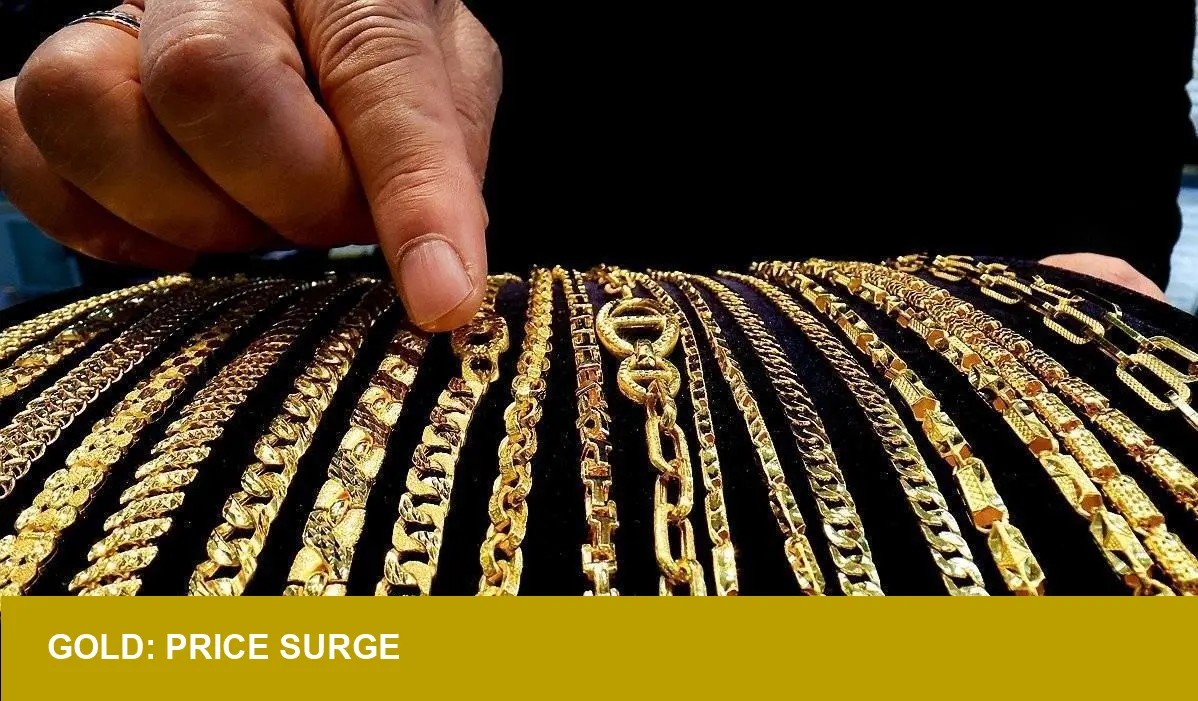

Min Da-young, a Seoul mother, is weighing whether to sell the rings and other gold given at her son’s dol now that pure gold trades at 908,000 won per 3.75 grams — a 70% year-to-date rise that has turned ceremonial jewellery into liquid capital for many families.
- Price: 908,000 won per 3.75 g (pure gold)
- Standard unit: 3.75 grams (retail retail unit in Korea)
- International: $4,505.70 per troy ounce (NYMEX)
- Date: Dec 29, 2025 — Korea Gold Exchange warns 1,000,000 won possible
Context
The spike — the largest annual rise for gold since 1979 — is driven by a confluence of factors: a weaker U.S. dollar (the dollar index is down more than 10% this year), prolonged geopolitical risk and a shift in consumer behaviour toward viewing gold as a safe-haven asset. In Seoul’s Jongno jewellery district, shopkeepers report a steady stream of customers bringing heirloom rings, hairpins and even gold dental work to be assessed and sold. The tactile appeal of a worn ring’s warm patina and the substantial heft of bullion are less sentimental and more transactional in this market environment.
Supply-side dynamics are reinforcing demand for investment-grade metal. The Korea Gold Exchange projects prices could top 1,000,000 won per 3.75 g as investors shift from currency and equities into gold. On the New York Mercantile Exchange, bullion passed $4,505.70 per ounce last week, a 70.6% rise from the year’s start, underscoring the global scale of the move.
Not all trends are purely financial. Sustainability and circular-economy pressures are changing how gold is sourced and sold. Recycled gold and certified supply chains are now part of the purchase conversation — both for buyers who wish to claim responsible sourcing and for sellers who realise the resale market increasingly prizes authenticated provenance.
Impact for U.S. Retailers and Investors
For U.S. jewellery retailers, the pattern is clear: consumers are pricing sentiment into metal purchases. Two practical implications follow.
- Inventory and product strategy: Expect higher demand for smaller-weight pieces and investment bars rather than larger decorative jewellery. Offer calibrated weight options to reduce sticker shock — fractional bars, 1 g coins or thinner bands — and promote certified recycled gold to address sustainability-conscious buyers.
- Services and margin management: Strengthen buyback and appraisal services. Transparent premiums and buyback terms convert transactional sellers into repeat customers. Retailers should also consider hedging exposure to metal-price swings and updating point-of-sale messaging to distinguish between ornamental and investment-grade items.
For investors, the spike reinforces gold’s role as a portfolio diversifier amid currency fluctuation and geopolitical uncertainty. Monitor the dollar index and geopolitical headlines closely; liquidity in local retail markets — as families sell heirlooms — can present arbitrage opportunities between retail scrap prices and exchange-traded or futures prices.
Corporate gifting and awards are already recalibrating: companies are trimming the weight of gold bars used for recognition, and some are substituting non-metal awards or certificates. That recalibration signals a longer-term cultural shift that U.S. jewelers and institutional buyers should factor into demand forecasts.
In short, the market has bifurcated. Gold’s warm tone and substantial heft remain valued, but increasingly as a convertible asset rather than a default ceremonial gift. Retailers who adapt — by offering fractional weights, certified recycled stock and clear buyback paths — will capture both sentimental buyers and the growing cohort treating gold as liquid collateral.
Image Referance: https://www.koreatimes.co.kr/economy/20251230/soaring-prices-boost-gold-as-investment-while-traditional-gift-role-fades