
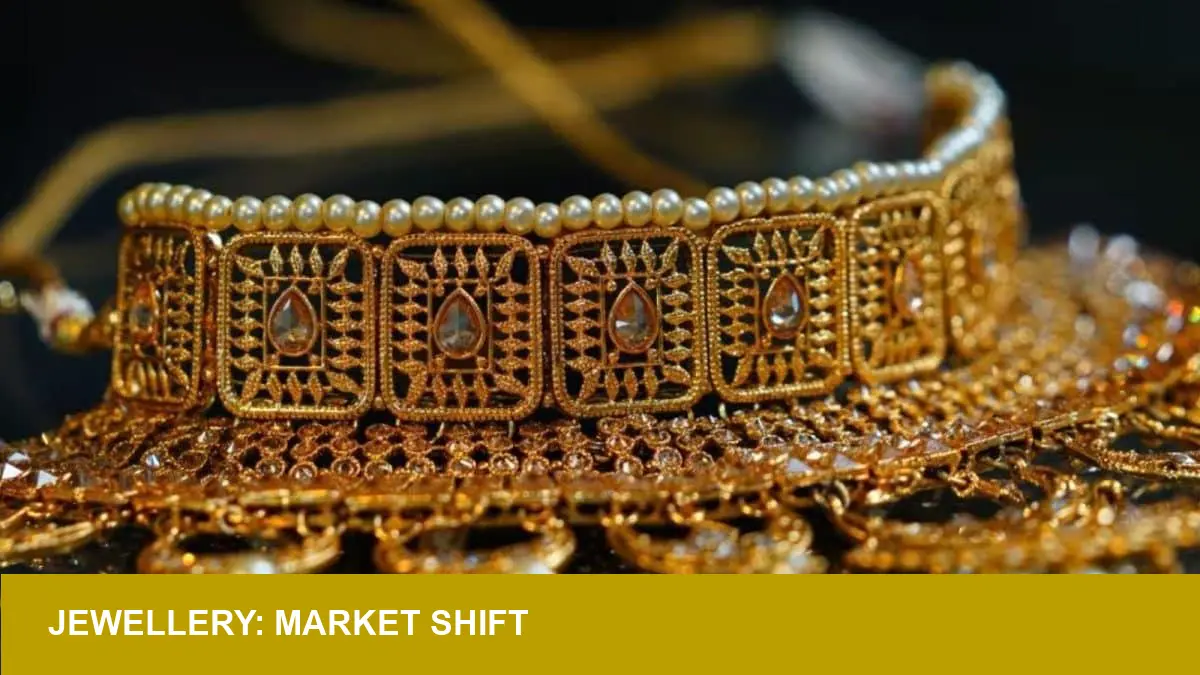
Second headline: Leading Indian houses — Titan, Zen Diamond and De Beers India — shifted 2025 demand toward restrained, emotionally charged designs, prompting assortment resets and a measurable uplift in retail premium for everyday-luxe pieces.
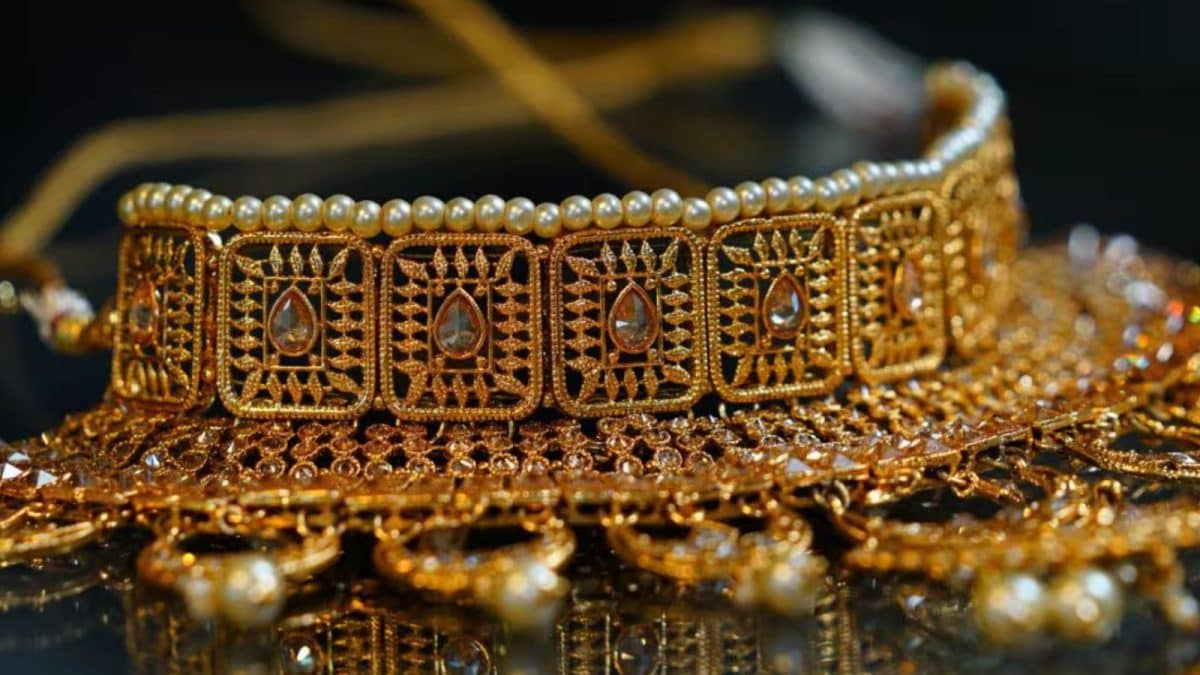
- Price: Variable — premium consolidation for meaningful-minimal pieces
- Carat weight: Variable — emphasis on smaller, wearable sizes
- Origin: India (heritage craft reinterpreted)
- Date: 2025
Why 2025 felt different
In 2025 design surrendered spectacle to sentiment. Across categories, consumers chose objects that read as personal signifiers rather than display pieces — jewellery with a satin patina, restrained silhouettes and a vitreous luster that reads as quiet intent. This was not nostalgia for its own sake: heritage techniques were refined into pared-back forms with a substantial heft that felt reassuring on the body and subtle in the hand.
How leading brands translated emotion into product
Titan’s design leadership reframed traditional motifs into modular, versatile forms. Zen Diamond layered restraint with narrative, and De Beers India positioned natural diamonds as daily talismans. The common thread was meaningful minimalism: geometry, celestial hints and fluid lines that carry symbolic weight while remaining unobtrusive in everyday wear.
“Design emerged as a powerful emotional language,” said Revathi Kant, Chief Design Officer at Titan Company Ltd., reflecting a shift where optimism and intent dictated silhouette more than ornament. Neil Sonawala of Zen Diamond India described an industry pivot from decorative excess to purposeful restraint; Toranj Mehta at De Beers India framed natural diamonds as subtle reminders of progress and personal goals.
Context: 2025 trends that mattered to designers and buyers
Several forces made meaningful minimalism commercially viable in 2025: sustainability concerns that elevated repairable, long-lived objects; lab-grown diamonds normalizing alternate price tiers and freeing natural stones for narrative-led pieces; and a sculptural aesthetic that favored wearable architecture over lavish surface detail. Retail experiences evolved in tandem — storytelling replaced transactional display, and craftsmanship became the primary value signal.
What this means for US retailers and investors
For US buyers and marketplace managers, the takeaway is twofold. First, assortment strategy should broaden beyond statement inventory to include lower carat, higher-margin everyday pieces that trade on narrative and wearability. These items often carry stronger resale liquidity and align with younger buyers seeking symbolic, daily-wear jewellery. Second, merchandising and marketing must foreground provenance, material intent and the craft touch — tactile cues such as hand-satin finishes or modular clasps that communicate durability and emotional utility.
Investors should note that value is shifting from pure gemstone heft to layered utility: pieces that combine a modest material bill with elevated design intelligence typically command a stable retail premium and lower inventory aging risk.
Practical moves for retailers
- Curate capsule ranges with small-carat diamonds and refined gold silhouettes for repeat purchase cycles.
- Train sales teams to sell narrative — not just specs — by linking motifs to life moments and goals.
- Highlight repairability and sustainable sourcing as tangible benefits in price justification.
- Test immersive storytelling formats online that simulate tactile qualities (close-ups of finishes, scale shots showing substantial heft).
Conclusion
By 2025 jewellery began to read as architecture of the self: pared-back, materially honest and emotionally legible. For brands and buyers, the opportunity is to treat design as a long-lived asset — one where understated form, considered finish and clear provenance create both consumer loyalty and resilient retail value.
Image Referance: https://www.news18.com/lifestyle/fashion/from-heritage-to-meaningful-minimalism-the-design-shifts-in-jewellery-that-defined-2025-ws-l-9799531.html