
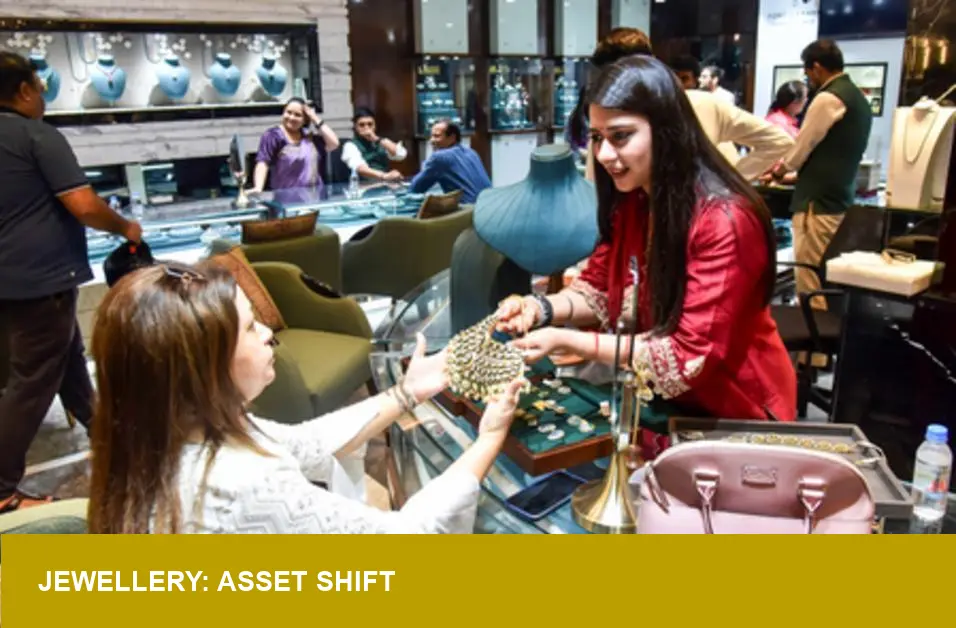
Second Headline: A Deloitte India survey finds 86% of Indian consumers now regard gold and jewellery as a core wealth instrument — a structural shift that is reshaping demand, price sensitivity and product mix across the market.
- Price: Accessible tiers rising — silver and lightweight pieces driving frequent purchases
- Carat weight: Move to minimalist, low‑carat profiles; 49% prefer lightweight designs
- Origin: Deloitte India consumer survey
- Date: January 2026
What the numbers say
The report positions jewellery alongside market‑linked products: 86% of respondents treat jewellery as a preferred vehicle for wealth creation versus 87% who favour mutual funds and stocks. More than half (56%) now buy jewellery for both investment and daily wear; 28% buy purely for investment. Among younger cohorts, Gen Z and millennials are accelerating the shift to everyday pieces — 51% of Gen Z prefer silver and 34% favour platinum, while only 15% opt for heavy, ornate sets.
Context: Where this sits in 2025–26 trends
What began as a ceremonial, heirloom category is resolving into a layered market: ceremonial gold retains the substantial heft and tactile assurance of tradition, while lighter, design‑forward silver and alternative metals offer a vitreous luster and repeatable appeal. This mirrors three 2025 dynamics retailers cited last year — sustainability in sourcing, rising legitimacy of lab‑grown alternatives, and a turn toward sculptural, wearable design that prioritises versatility over mass ornamentation.
Retailers who respond with design agility, certified sourcing and tighter inventory turns will capture both the investment buyer and the style seeker. The Deloitte analysis flags operational excellence, omnichannel trust and data‑led merchandising as the critical levers for the next decade.
Why this matters to US retailers and investors
For US buyers and chains evaluating exposure to the Indian jewellery cycle, the implications are concrete:
- Assortment strategy: Increase accessible silver and low‑carat gold lines with refined finishes; these carry the tactile qualities Gen Z seeks without the price barrier.
- Pricing and margins: Higher purchase frequency and lower average ticket for everyday pieces can improve cash conversion if inventory turns are tightened.
- Product development: Invest in sculptural, modular designs that read well on digital platforms and in small‑format windows; detail matters — finish, clasp feel and perceived weight drive trust.
- Supply chain & ESG: Certified sourcing and transparent provenance will command a premium among younger buyers and institutional investors focused on sustainability risk.
- Data & omnichannel: Combine in‑store expertise (high‑trust verification) with personalised digital discovery to convert ceremonial buyers into repeat, lifestyle customers.
In short, the market is not rejecting gold’s role as an asset; it is expanding the definition of value. Jewellery is becoming both a store of wealth and an instrument of daily identity — a dual role that rewards retailers and investors who can balance heritage credibility with modern design and operational discipline.
— Based on reporting from Deloitte India and IANS; analysis for US market readers by Jewellers News
Image Referance: https://www.indianewsstream.com/86-pc-of-indians-see-jewellery-as-core-wealth-asset-gen-z-accelerates-shift/