
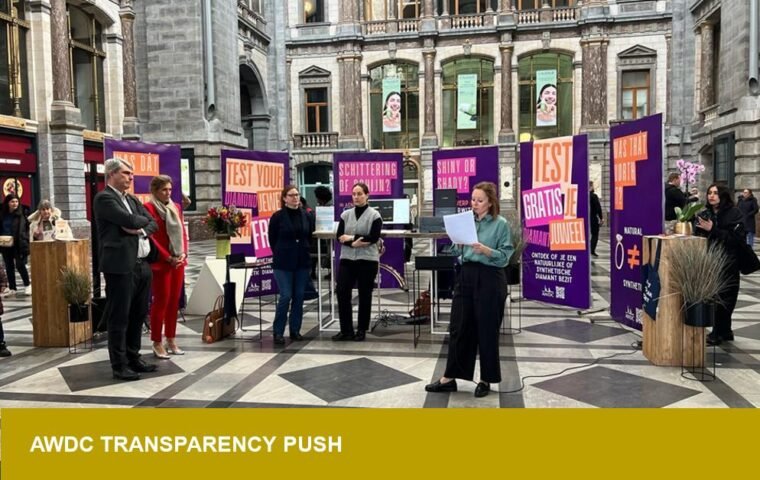
The Antwerp World Diamond Centre (AWDC) in Belgium has formally called for greater transparency in the sale of lab‑created diamonds, urging clearer disclosure of origin for stones sold through the trade. While the AWDC did not announce regulatory text or penalties, the appeal signals potential upward pressure on compliance, reconciliation of inventory and the way merchants price lab‑created stock versus natural diamonds.
- Entity: Antwerp World Diamond Centre (AWDC)
- Issue: disclosure and transparency for lab‑created diamonds
- Region: Antwerp, Belgium — global trade hub
- Implication: labeling, certification and trade pricing practices
- Audience: retailers, wholesalers, grading labs and trade associations
Context: where this sits in diamond trade practices
The AWDC statement arrives amid the mainstreaming of laboratory‑produced diamonds within wholesale and retail assortments. For trade professionals, the practical concerns are technical: consistent origin disclosure alongside the established cut, color, clarity and carat descriptions; standardized certificates that make origin immediately apparent; and supply‑chain traceability that separates natural and lab‑created flows. Clear disclosure reduces friction at point of sale and limits the reputational risk of mis‑representation.
From a craftsmanship vantage, the distinction is not about finish or facets — both product types are judged on knife‑edge shanks, precise pavilion angles and consistent table facets — but about origin and the information presented with the stone. The AWDC’s call emphasises documentation and labelling rather than aesthetic differentiation, steering conversation toward policy and compliance rather than design alone.
Impact: what US retailers, wholesalers and investors should consider
For US players, Antwerp’s position is a signal to revisit merchandising, online disclosure and front‑of‑store signage. Retailers will need tighter certificate management, clearer SKU descriptions and staffelling that communicates origin without undermining margin. Wholesalers and remarketers trading through Antwerp may face increased administrative checks or buyer requests for explicit provenance statements, which can affect inventory turn and working capital needs.
Investors and category managers should treat the AWDC appeal as a governance risk: inconsistent disclosure can erode consumer trust and invite regulatory scrutiny in key markets. Practical steps include segregating lab‑created and natural inventory in inventory management systems, surfacing origin on invoices and product pages, and aligning sourcing documents with the grading labs used. Those measures protect resale value and reduce the likelihood of margin compression caused by post‑sale disclosure disputes.
In short, the AWDC’s push for transparency reframes lab‑created diamonds as a trade governance issue as much as a product offering; US firms that tighten documentation and display will be better positioned to neutralise the commercial risks this clarification creates.
Image Referance: https://www.jewellermagazine.com/Article/14868/Antwerp-pursues-clearer-lab-created-diamond-regulations