
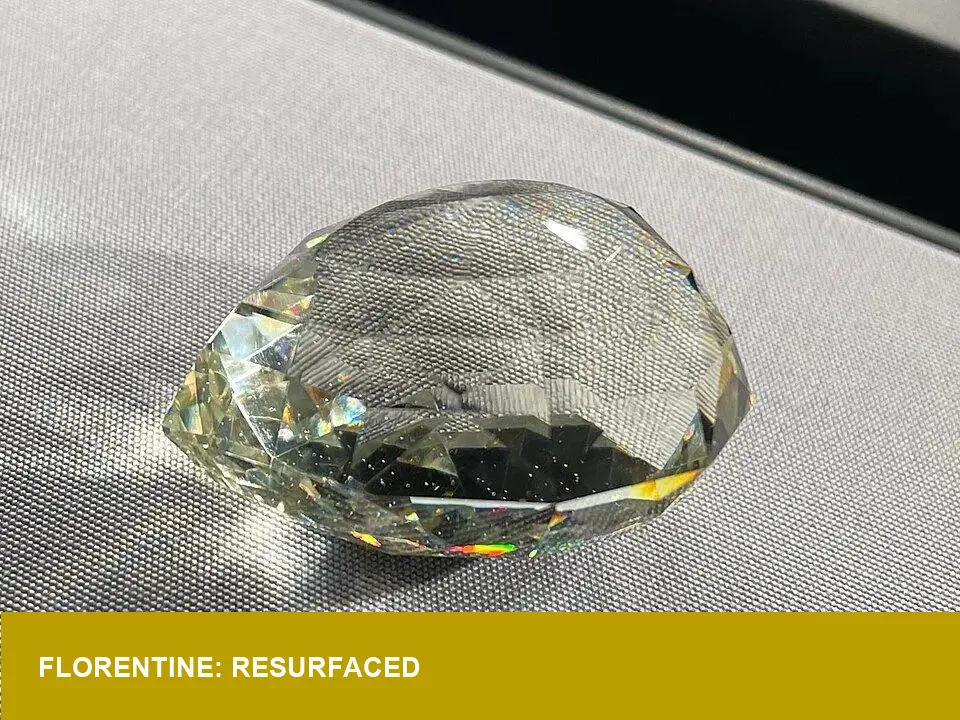
The Habsburgs’ 137.27‑carat Florentine Diamond has resurfaced from a Quebec bank vault — a revelation that not only restores an iconic historic stone but could recalibrate valuations, insurance and museum demand for large fancy yellow diamonds worldwide.
- Price: Not publicly offered / no market valuation
- Carat weight: 137.27 ct
- Origin: Mined in India; long Habsburg provenance
- Date of public revelation: November 2025 (reported by The New York Times)
Context: why this matters in 2025
The stone’s buttery, light‑yellow bodycolor and vitreous luster, coupled with archival provenance linking the Medici and Habsburg houses, places the Florentine in a category apart from contemporary supply. In a market this year shaped by sustainability scrutiny, lab‑grown price pressure at lower tiers and a turn toward sculptural, museum‑worthy presentation, an intact historic diamond offers a different set of value drivers: provenance premium, exhibition revenue and cultural cachet.
Unlike mass‑produced goods or lab‑grown melee that respond quickly to supply curves, single‑owner historic stones trade on substantial heft — both physical and narrative. That heft translates into higher friction: complex export permissions, legal claims from former sovereign territories, and bespoke insurance and lending structures.
Impact for US retailers and investors
For American retailers and private collectors the Florentine’s reappearance is a market signal more than an immediate inventory change. Practical implications:
- Valuation benchmarks: The public discussion around a 137.27‑ct historic fancy yellow will reset reference points for ultra‑large colored diamonds at auction — expect expert‑led comparables rather than per‑carat formulas.
- Provenance becomes currency: Archival paperwork and chain‑of‑custody now command measurable premiums. Retailers should tighten provenance checks and retain independent historical reports when sourcing high‑value stones.
- Exhibition economics: Museums and foundations will see renewed leverage to secure long‑term loans; lenders and insurers will price for exhibition risk, transportation and diplomatic exposure.
- Legal and political risk: Sovereign or cultural‑property claims can restrict liquidity. Allocating capital to these assets requires legal contingency planning and slower exit expectations.
- Segment separation: Lab‑grown diamonds continue to pressure entry and mid markets; historic natural stones will remain a distinct, scarcity‑driven segment.
What to watch next
Key variables that will determine the Florentine’s market effect: whether the family loans it to a museum, places it under legal trust, or puts it up for sale; the outcome of any claims from former Habsburg territories; and independent gemological documentation that fixes the stone’s cutting history and any recutting questions. For US market participants, the immediate task is to monitor announcements from the family and auction houses, and to factor in elevated insurance and provenance costs when underwriting comparable inventory.
Seen and handled papers, archival photographs and a ledgered chain of custody now carry the same weight as carats. In 2025, scarcity is not just physical — it’s documentary. That distinction will define premium pricing and who can credibly market a stone of this pedigree.
Image Referance: https://www.thecourtjeweller.com/2025/12/the-best-royal-jewels-of-2025-2-the-florentine-diamond-found-in-canada.html