
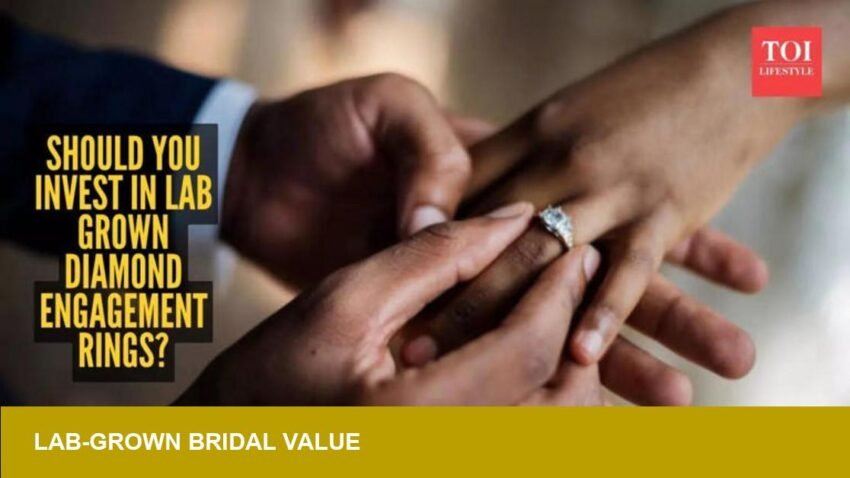
Lab‑grown diamonds are increasingly being chosen for engagement rings because they deliver a clearer value proposition and greater design flexibility. Retailers report that shoppers use the price advantage to trade up on carat or prioritize intricate settings, shifting assortment and merchandising decisions in the US bridal market.
- Gemstone: lab‑grown diamonds
- Use case: engagement rings / US bridal segment
- Key benefit: larger stones or more complex design within the same budget
- Consumer tradeoff: economic value vs. traditional emotional significance of natural diamonds
Context: Where this fits in current jewellery trends
The growing acceptance of lab‑grown diamonds aligns with broader 2025–26 dynamics: consumers prioritizing value and personal expression over category orthodoxy, and a quiet‑luxury aesthetic that favors refined proportions and quality of finish. Lab‑grown material offers the same vitreous luster as mined stones and can be specified to tight cut, color and clarity grades, which makes it suitable for open‑backed settings and micro‑pavé work where optical performance and light return matter.
From a craft perspective, designers are using the price differential to specify larger centre stones or to reallocate budget into metalwork — thicker knife‑edge shanks, sculpted bezels, satin‑finished gold surfaces — rather than compromising on stone size. For bridal, that has translated into more consumers choosing solitaire or three‑stone layouts with a larger lab‑grown centre and premium metal or finishing details.
Impact: Why this matters for US retailers, wholesalers and investors
For bricks‑and‑mortar and online retailers the immediate implication is assortment segmentation. Sellers should treat lab‑grown and natural diamonds as distinct SKUs with separate pricing ladders and merchandising narratives: lab‑grown positioned around value, size and design flexibility; natural positioned around rarity and provenance. Mixing the two without clear framing risks confusing buyers and compressing margins.
Inventory strategy will shift toward configurable SKUs that allow customers to trade carat for finish. Wholesale buyers may see higher velocity on lab‑grown cores, while natural‑diamond inventory may require curated storytelling — certificates of origin, in‑store comparison tools and differentiated service levels — to justify premium pricing. From an investor perspective, watch for margin pressure on mass‑market bridal players that fail to segment; conversely, independents that emphasise craft and finish can maintain higher average selling prices even with lab‑grown centres.
Marketing should follow a quiet‑luxury template: clear, tactile language about materials and finish (silky nacre pearls or satin‑finished 18k gold where paired), visual comparators showing actual carat tradeoffs, and straightforward traceability or sustainability claims. Framing lab‑grown as a pragmatic, design‑forward choice — rather than a discount‑only option — will better align with buyers who equate understated quality with value.
In short, lab‑grown diamonds do not merely lower price points; they reframe purchase decisions around size, craftsmanship and message. That reframing is the commercial opportunity — and the strategic challenge — for US jewellers in the coming seasons.
Image Referance: https://www.msn.com/en-in/lifestyle/shopping/are-lab-grown-diamonds-good-for-engagement-rings-here-s-what-the-experts-say/ar-AA1YSHXJ?item=flightsprg-tipsubsc-v1a?season/