
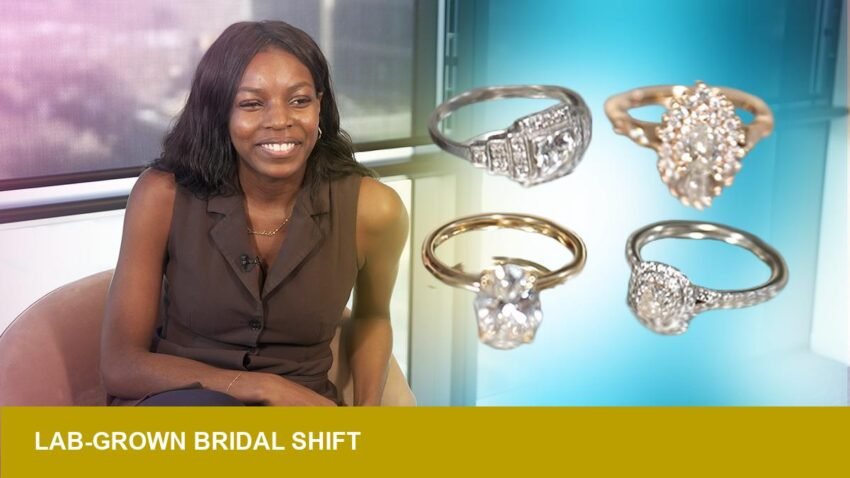
Lab‑grown diamonds accounted for nearly half of diamond engagement ring sales in the U.S. in 2024, according to a report — a shift that has immediate implications for pricing expectations, inventory mixes and retail margins across the bridal channel.
- Market share: Nearly half of U.S. diamond engagement ring sales in 2024 (report)
- Gemstone: Lab‑grown diamonds
- Segment: U.S. bridal / engagement rings
- Timing: 2024, per industry report
Context: where this sits in 2025–26 trends
The advance of lab‑grown stones into the bridal market has been a structural story rather than a seasonal spike. For retailers and designers the principal consequences are commercial and aesthetic: lab‑grown supply allows retailers to offer larger carat weights at price points that once required tradeoffs, while natural‑diamond sellers face growing pressure to justify premium pricing through origin, rarity or finishing. Expect merchandising to emphasise proportion and finish — well‑cut round and brilliant cushions with strong vitreous luster, careful colour grading and settings that show the pavilion — rather than overt branding.
Traceability and sustainability remain practical differentiators. While lab‑grown stones carry an inherent narrative of lower environmental impact, retailers are increasingly pairing that claim with technical assurances — third‑party grading and clear certification — to reassure bridal buyers and trade partners.
Impact: what US retailers, wholesalers and investors should do
Inventory: Merchants should rebalance assortments to include tiered offers — lab‑grown lines that prioritise size and perceived value, alongside a curated natural‑diamond selection that emphasises provenance, cut precision and resale liquidity. That means adjusting days‑on‑hand targets and rethinking wholesale purchase orders to avoid margin compression on natural diamonds.
Pricing and margins: The near‑50% penetration tests premium pricing for naturals. Retailers can protect margins by focusing on craft and finish — knife‑edge shanks, micro‑pavé execution, open‑backed settings that improve light return — and by tightening service propositions (insurance, trade‑up paths) rather than competing solely on carat price.
Marketing and client messaging: Quiet‑luxury storytelling wins in this environment. For lab‑grown lines, emphasise exacting cut, consistent colour and economical carat‑for‑carat value. For natural diamonds, foreground verified origin, limited‑run collections and finish details (satin‑finished gold, substantial heft) that justify a premium to savvy bridal buyers.
For investors and category planners, the shift signals allocation risk: manufacturers and wholesalers should expect continued demand growth for lab‑grown inventory and adjust capital planning accordingly, while retailers should use point‑of‑sale data to monitor conversion and lifetime value differences between lab‑grown and natural clients.
In short, the 2024 report’s finding is not only a statistic but a prompt: product, price and provenance must be reconsidered in the U.S. bridal channel as lab‑grown stones move from niche to mainstream.
Image Referance: https://www.mynbc5.com/article/lab-grown-vs-natural-diamonds-engagement-rings/70235462