
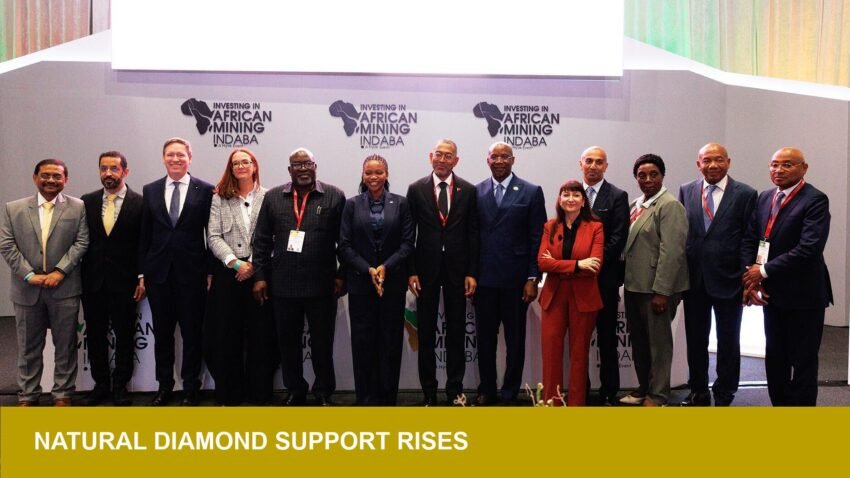
At a sector meeting in South Africa, Namibia formally signed the Luanda Accord and two key industry organizations pledged to join the Natural Diamond Council, moves that visibly strengthen the public case for earth‑mined diamonds and sharpen provenance messaging with commercial consequences for retailers and manufacturers.
- Who: Namibia; two industry organizations (unnamed) pledged to join the Natural Diamond Council
- What: Namibia signed the Luanda Accord to formalize cooperation on natural-diamond trade and messaging
- Where: Industry meeting in South Africa; implications watched by global and US trade
- Why it matters: strengthens provenance and origin narratives for natural diamonds
Context: provenance, traceability and the natural‑vs‑lab conversation
The Luanda Accord is a political and industry signal that reinforces country‑of‑origin claims and collective promotion of earth‑mined stones. In a market increasingly sensitive to chain‑of‑custody, such commitments are intended to support the perceived value of naturally sourced goods — the crystalline bodycolor, vitreous luster and geological provenance that distinguish mined diamonds from lab‑grown alternatives.
For 2025–26, the natural‑diamond narrative has shifted from pure marketing to technical verification: certificates that reference mine or region, stronger traceability protocols and coordinated industry advocacy. That evolution complements product-level decisions — open‑backed settings that show a stone’s bodycolor, knife‑edge shanks for classic solitaires, and restrained pavé that foregrounds a single center gem rather than overt ornamentation — strategies that appeal to quieter luxury buyers who prize origin and material authenticity.
Impact: what US retailers, wholesalers and investors should consider
US retailers should treat the Accord and the new pledges as a merchandising and communications opportunity rather than a one‑off PR event. Actionable implications include sharper assortment segmentation between natural and lab‑grown inventories; training sales teams to discuss origin and chain‑of‑custody; and adjusting pricing frameworks to reflect provenance premiums where those premiums can be documented.
Wholesalers and manufacturers may see demand for certified, origin‑backed parcels rise, which could influence sourcing choices and the presentation of wholesale lots to US buyers. For investors and category managers, the move signals potential for margin preservation on natural‑diamond lines if provenance claims are effectively certified and marketed — but it does not change the underlying supply dynamics absent new production or policy shifts.
Finally, marketing teams should pivot to precise, evidence‑based storytelling: clear certificates, discreet product cues (satin‑finished mounting, exposed pavilion to show stone depth), and retail messaging that addresses traceability without resorting to hyperbole. That calibrated approach aligns with quiet‑luxury demand in the US market: buyers seeking material authenticity and documented origin rather than overt branding.
Image Referance: https://nationaljeweler.com/articles/14687-at-meeting-in-south-africa-support-for-natural-diamonds-picks-up-steam