
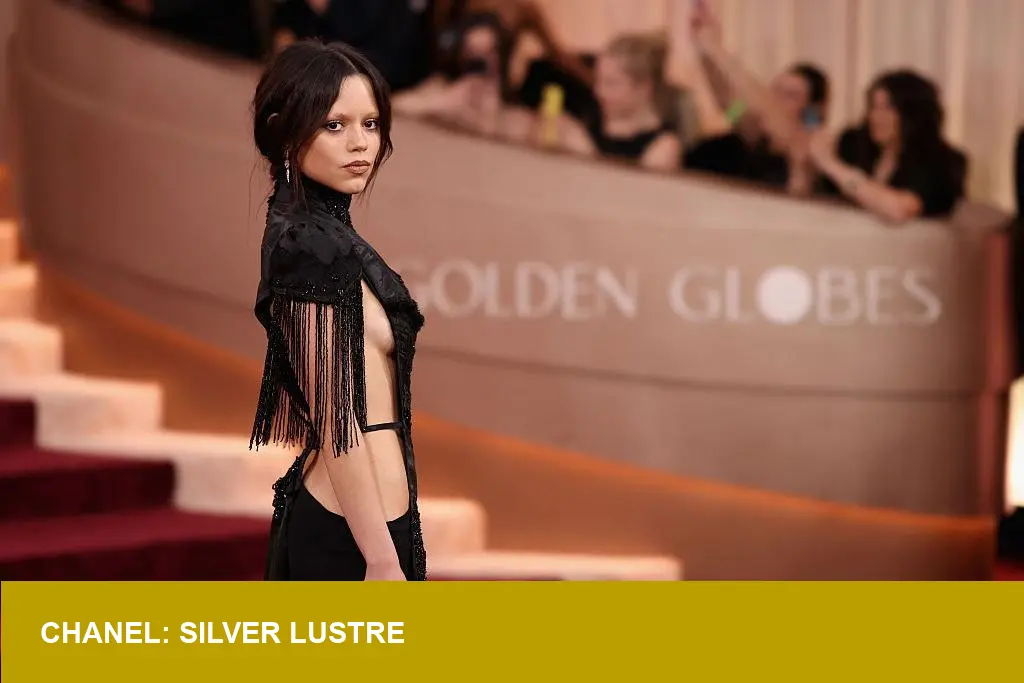

Lede: Chanel, Tiffany & Co., Saint Laurent and a handful of maison names have defined the opening cadence of the 2026 awards season — a run of silver-drenched gowns, feathered sculptural details and conspicuous pinwear that is already translating into measurable uplift for high‑end jewelry placements and secondary‑market valuation. For US retailers and investors, this season signals near‑term demand for vitreous‑luster pieces, statement brooches and lab‑grown diamond variants priced to capture younger buyers.
- Estimated Look Value: $25,000–$1.5M (retail + high jewellery pieces)
- Carat Weight on Display: Select rings and necklaces 3–12+ carats (est.)
- Origin / Houses: Chanel, Saint Laurent, Tiffany & Co., Louis Vuitton, Ott Dubai, Pandora
- Date: Awards season run — Jan. 4 (Critics Choice) through March 15, 2026 (Oscars)
Key Trends Seen on the Carpet
Across Golden Globes, Critics Choice and the early awards nights, a handful of clear motifs recurred. The dominant thread: silver, rendered as a reflective sheath or as sequined drapery with a cool, metal‑like sheen that reads exceptionally well under directional camera light. Feathered and fuzzy textures — from sculptural bodices to cascading trims — are back but refined, presenting a plush nap rather than frivolous flutter. Straight, horizontal necklines have become the preferred architectural silhouette for eveningwear, concentrating visual energy across the collarbone and into necklaces with a substantial heft. In menswear, brooch maximalism moved beyond a single flourish into layered, cascading pins that function as wearable statement art.
Dazzling Silver and the Jewelry Pull
The season’s silvery palette produces a vitreous luster that flatters white metal settings and makes colourless diamonds read whiter on camera. That optical effect is boosting demand for platinum and rhodium‑finished pieces; retailers report interest in contemporary everyday pendants that echo the red carpet sheen but sit comfortably at a $1k–$15k price point for aspirational buyers.
Feathered Textures — Sculptural, Not Soft
Feathers and fuzzy trims arrived with sculptural intent: think dense, architectural plumes with a tactile, almost flocked surface. Jewelry partners have matched that tactility with satin‑backed cuffs, articulated earrings and brooches whose settings hide clasps for movement. The textural pairing suggests opportunity for designers who can translate plush cloth into metalwork with a refined nap and tactile finish.
Straight Necklines and Necklace Strategy
The straight neckline directs attention to collarbone‑level jewels. Expect increased sell‑through for horizontally oriented necklaces, choker‑length chains and matched sets that emphasize line and negative space. Pieces with a low visual profile but noticeable substantiality — narrow bands with a substantial heft, flat curb chains with a satin finish — have particular crossover appeal.
Men’s Brooch Mania
Brooches shifted from accessory footnote to a men’s‑wear headline. This season’s pins range from minimalist silver motifs to layered compositions by Boucheron and Chopard. For retailers, that means expanding male accessory assortments beyond cufflinks and signet rings to include lapel art priced from $500 to several tens of thousands for high jewellery works.
The Context: 2025 Trends Collide with 2026 Moment
Two 2025 currents shaped what we see now. First, sustainability and transparency accelerated buyer comfort with lab‑grown diamonds; the optics of a white, brilliant stone paired with a silver sequin gown delivers equivalent camera impact at a lower entry price, a fact younger collectors have internalized. Second, the sculptural aesthetics that rose through 2025 — architecture in fabric and jewelry — have migrated from runway abstraction to practical, red‑carpet execution. Together they compress a luxury ladder where lab‑grown and artisanal metalwork coexist with maison high jewellery, broadening accessible price bands while maintaining headline placement.
The Impact for U.S. Retailers and Investors
What this means in practical terms:
- Merchandising: Increase inventory of white‑metal pieces with a polished or satin finish; prioritize choker and collar necklaces and compact, high‑contrast brooches. Stock lab‑grown diamond options beside mined stones to capture trade‑up behaviour.
- Pricing Strategy: Offer entry‑level statement brooches and heavy‑feeling chains at $500–$3,000 and curate a high‑jewellery window (>$50k) that echoes the season’s silver sheen to drive premium traffic.
- Marketing: Use campaign imagery with directional lighting to simulate red‑carpet vitreous luster; promote styling education for straight necklines and menswear pinning.
- Investment Angle: Short‑term resale value should favor well‑documented designer placements (maison provenance), while lab‑grown diamonds priced competitively may accelerate turnover and customer acquisition among younger collectors.
For buyers and investors watching the calendar, the takeaway is precise: the visual grammar of 2026 — silver sheen, sculptural feathers and brooch maximalism — is creating marketable jewelry moments. Curate with tactile finishes and a graduated price ladder; the looks converting on camera today are likely to drive near‑term retail demand and secondary‑market premiums over the coming 12–18 months.
Image credits: Getty Images; L’OFFICIEL
Image Referance: https://www.lofficielusa.com/fashion/red-carpet-trends-2026-fashion-celebrities-golden-globes-oscars-color-trends-brands-designers-dresses-suits-jewelry-photos-awards-season