
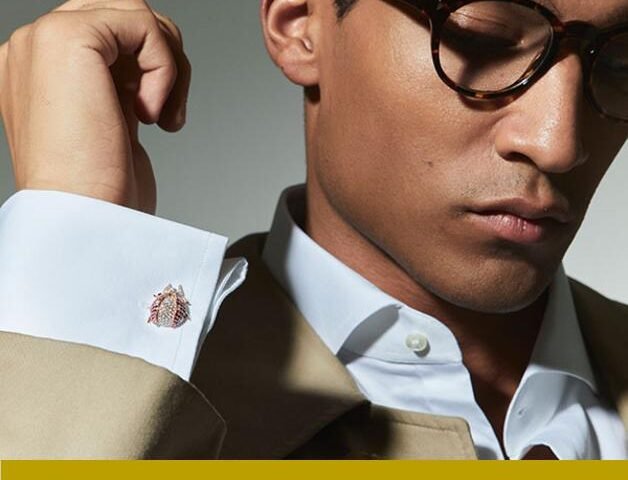
David Gotlib has framed 2026 as a year for ideas, geographic expansion — and a purposeful return to cufflinks. The designer’s positioning, anchored in a visible brooch revival and renewed appetite for antique diamonds, signals a shift in assortment strategy that could open margin and merchandising opportunities for US retailers and wholesale partners.
- Designer: David Gotlib — 2026 strategic pivot.
- Key trends: brooch revival; antique diamonds gaining momentum.
- Product focus: cufflinks reintroduced alongside brooches.
- Market: relevant to US retailers, wholesalers and luxury accessories desks.
Context: How this sits with 2025–26 jewellery trends
The return of brooches and the interest in antique diamonds align with a broader quiet‑luxury shift: pared silhouettes and pieces that read as discreetly rare. Antique stones bring a softer, old‑world faceting and patina that contrasts with the high‑fire brilliance of modern cuts — a tangible cue buyers associate with provenance and scarcity. At the same time, the reintroduction of cufflinks points to renewed demand in menswear accessories, where substantial heft, restrained finishing and collectible credentials are gaining purchase among private clients and corporate buyers.
For retailers this is not merely aesthetic. Antique diamonds function as part of the circular‑supply conversation: reuse, provenance and traceability are increasingly part of the purchase rationale for higher‑value pieces. Brooches and cufflinks also allow brands to extend average transaction value through accessory layering and gifting moments without relying solely on engagement and bridal verticals.
Impact: What US retailers, wholesalers and investors should note
Merchandising: Reallocate floor and digital real estate to feature brooches and menswear accessories as distinct categories. Showcases that emphasise patina, old‑cut facet patterns and provenance tags will support premium positioning.
Inventory strategy: Curate SKU mixes that include antique stones and accessory formats with clear provenance descriptions. Those items often sell on story and scarcity rather than volume discounts, which can support healthier margins if authenticity and condition are clearly communicated.
Marketing and storytelling: Quiet‑luxury customers respond to tactile, technical detail. Present antique diamonds with notes on cut character and condition; describe metals in finish terms (for example, satin or polished surfaces) and highlight craftsmanship rather than slogans. For cufflinks, call out heft, closing mechanisms and pairability with dress codes to justify price points to corporate and gifting buyers.
Investor lens: The move suggests category rotation within the fine jewellery market — from high‑volume bridal SKUs to lower‑volume, higher‑story accessories. That can temper inventory turnover but improve unit economics if assortments are curated and provenance is verifiable.
In short, David Gotlib’s 2026 stance is a timely reminder that product innovation — even in traditional categories like brooches and cufflinks — can be a practical lever for margin and positioning in the US luxury jewellery market.
Image Referance: https://www.jckonline.com/editorial-article/david-gotlib-cufflinks-2026/