
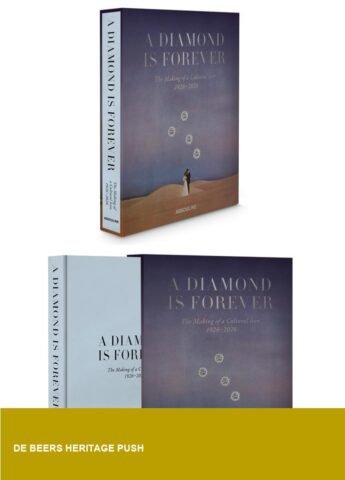
De Beers Group and Assouline celebrated the launch of the book “A Diamond Is” in London on 11 February 2026, an archival retelling that highlights how De Beers in the 1930s reframed diamonds as masterpieces of nature and craftsmanship. The publication, announced through Media OutReach in London, underscores a deliberate heritage narrative that may influence demand for provenance and craft‑led, higher‑margin diamond pieces.
- Title: “A Diamond Is” (book)
- Brands: De Beers Group and Assouline
- Date & venue: London — 11 February 2026 (Media OutReach)
- Focus: diamonds; historical branding and craftsmanship
- Target segment: high‑jewellery, heritage collectors, trade storytelling
Context: where this sits in 2025–26 jewellery trends
Brand‑published books have become an intentional discipline in luxury marketing: archival narrative functions as product briefing and trust engine. In this instance, De Beers revisits the 1930s pivot that shifted diamonds from discreet elite exchange into publicly celebrated objects — a repositioning that leaned on craftsmanship and aspirational storytelling. For the trade, that history reinforces two ongoing threads: provenance and craft as differentiators, and quiet‑luxury presentation over overt logoing.
Retailers buying into this narrative will spotlight tactile details that signal craftsmanship — the vitreous luster of well‑cut stones, open‑backed settings that maximise light return, knife‑edge shanks and micro‑pavé work that require bench skill, or satin‑finished gold used to subdue reflections. These are the cues collectors and affluent buyers increasingly look for when a narrative of origin and making replaces signage and price promotions.
Impact: why US retailers, wholesalers and investors should care
For US retailers the book is a reminder that curated content can drive margin without discounting product. Merchandisers can leverage the publication in trunk shows, client events and online storytelling to reframe existing inventory — emphasising provenance, archival design references and craftsmanship over headline discounts. Wholesalers should expect increased interest from independent jewelers seeking catalogue pieces that align with the heritage narrative.
Investors and category buyers should see the launch as a market signal rather than a sales forecast: a heritage push tends to support resilience in higher‑end SKUs where provenance and craftsmanship justify premium pricing. Conversely, brands that lack verifiable origin stories may feel pressure to invest in traceability, certificate narratives or curated editorial to remain relevant to discerning buyers.
Practically, merchandising changes that follow this narrative will include tighter storytelling around source and benchwork in product pages, photography that highlights vitreous luster and settings, and client experiences that emphasise the craft process. For a US audience leaning toward quiet luxury, the De Beers–Assouline collaboration is a clear cue to prioritise provenance and craft in both buying and marketing strategies.
Image Referance: https://businesspost.ng/media-outreach/de-beers-group-and-assouline-celebrate-the-launch-of-a-diamond-is-forever-the-making-of-a-cultural-icon-1926-2026/