
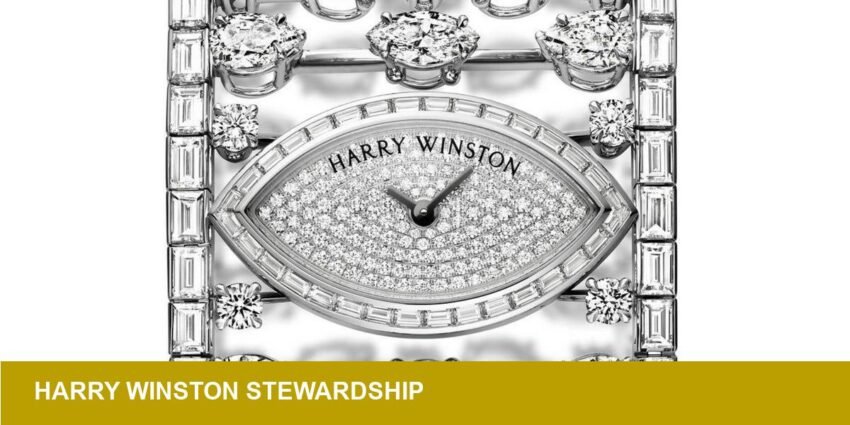
Harry Winston, the house long called the “King of Diamonds,” is owned by the Swatch Group and was founded in 1932 — a pedigree that continues to shape its position as a premier fine‑jewelry and watch retailer. The brand’s reputation for revolutionizing fine‑jewelry design remains the core commercial asset under Swatch stewardship, with implications for merchandising, cross‑category distribution and collector demand.
- Founded: 1932
- Ownership: Swatch Group
- Reputation: nicknamed the “King of Diamonds” for diamond‑first design
- Category: fine jewelry and watches; leading retail positioning
Context: Heritage stewardship and design influence
Harry Winston’s historical role — credited in the brand brief as having “revolutionized fine jewelry design” — is a strategic asset in a luxury market that prizes provenance and demonstrable craftsmanship. For jewellers and buyers, that legacy translates into a clear aesthetic language: pieces that prioritise diamond quality, optical performance and refined mountings to showcase vitreous luster rather than overt ornamentation.
Swatch’s ownership places a storied jewelry house inside a broader watch and luxury conglomerate. That combination is increasingly common in 2025–26: groups build scale not only to distribute product but to curate heritage narratives and streamline operations across watches and high jewelry. For Harry Winston, the commercial value lies in sustaining premium positioning while accessing Swatch’s retail and operational capabilities.
Impact: What this means for the US market and trade
US retailers and wholesalers should view Harry Winston’s Swatch stewardship as a cue to re‑examine merchandising and assortment strategies. The house’s diamond‑first identity reinforces demand for inventory that emphasizes cut, colour and finish — attributes that deliver vitreous luster and justify higher price per carat. In practical terms, merchandising that highlights setting quality and stone provenance will resonate with buyers attuned to craftsmanship.
On the wholesale side, the brand’s dual focus on watches and fine jewelry under a single owner suggests opportunities for cross‑category displays and trunk shows that pair high‑grade diamonds with fine watchmaking. Marketing should be calibrated to quiet‑luxury signals: restrained visual assets, textural detail (satin‑finished gold, open‑backed settings that maximise light) and messaging that foregrounds lineage and technical refinements rather than broad promotional discounting.
For investors and brand partners, the key question is stewardship: whether Swatch will maintain Harry Winston’s high‑end positioning and preserve the design innovations that built the house’s reputation. For the trade, that answer will determine assortment decisions, pricing strategies and the storytelling retailers use to justify premium margins to discerning purchasers and collectors.
Image Referance: https://inva.kz/8-Best-Fine-Jewelry-Brands-Of-All-Time/769574