
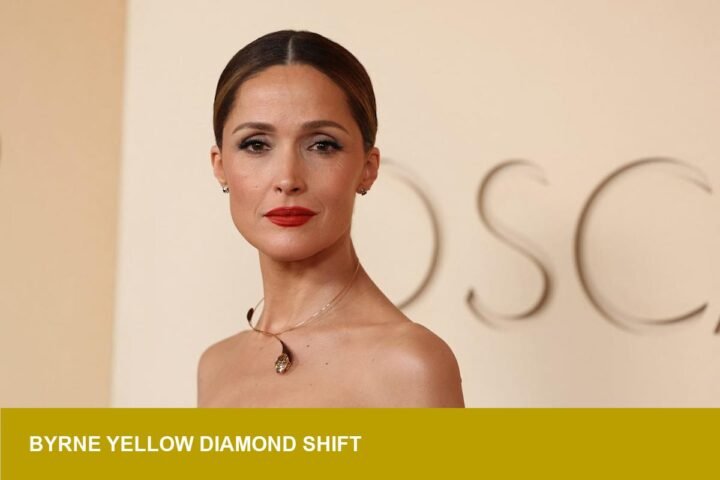
Rose Byrne wore a yellow diamond necklace to the Oscars crafted by a deliberately low‑profile designer — a choice that has the potential to reframe red‑carpet influence toward coloured diamonds and discreet ateliers rather than haute‑label visibility.
- Who: Actress Rose Byrne
- What: Yellow diamond necklace by an intentionally obscure designer
- Where: Oscars red carpet (US market stage)
- Why it matters: Visibility for coloured diamonds and discreet designers on a major platform
Context: Where this fits in 2025–26 trends
The Oscars remain a high‑value showcase for jewellery aesthetics. In 2025–26 the market conversation has shifted from logo‑led glamour to restrained, craft‑forward references: coloured stones, provenance, and small ateliers that control scarcity and narrative. A yellow diamond on a major celebrity — presented without a recognisable designer name — reinforces a quieter, material‑centric taste. Retailers and designers are increasingly highlighting attributes such as hue intensity, cut proportions and open‑backed settings that maximise colour, as well as finishing details like satin‑finished gold and knife‑edge chains that read as understated luxury on camera.
For the trade, the stylistic shorthand matters: a warm, high‑saturation yellow stone reads differently from a traditional D‑grade diamond on film. The technical route to that effect often includes carefully graded colour, calibrated pavilion depths, and settings that expose the stone’s vitreous luster without heavy metalwork obscuring the gem.
Impact: Why this matters in the US market
For US retailers and wholesalers the immediate implication is curatorial. Stock lists can shift toward a small assortment of coloured diamonds and accessible high‑jewellery references that mimic the aesthetic without relying on celebrity branding. Merchants should consider allotting cases to warm‑toned stones and private‑commission services for clients seeking similar, discreet provenance.
From a merchandising standpoint, product pages and window displays will need quieter narratives: technical notes on colour grade and cut, provenance or source transparency, and craftsmanship details such as micro‑pavé versus open settings. Marketing that emphasises tactile specifics — substantial heft of a bezel, silky nacre for complementary pearls, or the way a knife‑edge shank secures a pendant — will resonate more effectively than logo‑led storytelling.
For designers and ateliers, the moment validates a low‑profile strategy: controlled releases, selective celebrity placements and a focus on traceability can create demand without mass exposure. Investors and buyers monitoring category rotation should watch whether coloured diamonds gain sustained interest beyond event coverage; for now, the key takeaway is influence without attribution — a shift in how desirability can be manufactured through material and craft rather than brand name.
Image Referance: https://www.aol.com/articles/why-rose-byrne-oscars-necklace-205602919.html