
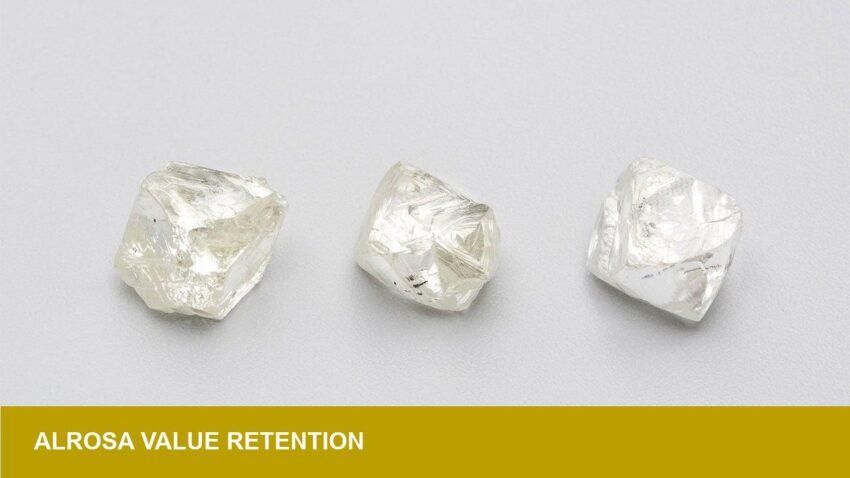
Alrosa CEO Pavel Marinychev met with Smolensk regional leadership to discuss expanding Russia’s diamond‑cutting sector, a strategic initiative aimed at keeping a larger share of value from rough to polished stones inside the country rather than exporting uncut rough.
- Company: Alrosa (meeting led by CEO Pavel Marinychev)
- Objective: expand Russia’s diamond‑cutting and polishing capacity
- Region: Smolensk region, Russian Federation
- Strategic aim: capture greater polishing margins and domestic value chains
Context: Where this fits in current industry patterns
The discussion in Smolensk reflects a broader pivot among producing nations toward vertical integration — retaining value by moving rough through bruting, faceting and finishing steps domestically. For natural diamonds this means more of the economic benefit from precision processes such as ideal faceting, symmetry control and final polish quality (which governs brilliance and vitreous luster) remains with the origin rather than passing to traditional international cutting centres.
From a technical standpoint, increasing local cutting capacity focuses attention on yield management (optimising bruting and cleaving to preserve carat weight), consistency in table and crown proportions, and investment in modern polishing lines that reduce inclusions visibility and improve finish for open‑backed settings and micro‑pavé work. Those are the levers that translate rough value into retail margin.
Impact: Why this matters to US retailers, wholesalers and investors
For US market players, the move is a reminder to track origin disclosure and polishing provenance as sources seek to protect margins and narrative control. Retailers and wholesalers should expect dialogues around traceability and certification to intensify when supply chains include more onshore finishing — consumers and institutional buyers count provenance and polish quality when assessing retail pricing and investment value.
Operationally, merchants may want to review vendor terms and inventory mixes: increased domestic cutting by a major rough supplier can shift bargaining dynamics for polished inventory, influence the availability of specific cuts and proportions, and affect lead times for repaired or custom faceting requests. For investors, the strategic logic is straightforward: value‑chain capture can protect upstream realisations and reduce exposure to price compression further down the chain.
Alrosa’s engagement with regional authorities is not a product launch; it is a structural initiative that touches sourcing, craftsmanship standards and margin distribution — areas US market participants should monitor as the origin‑to‑retail pathway evolves.
Image Referance: https://rapaport.com/news/alrosa-invests-in-growing-russias-diamond-cutting-sector/