
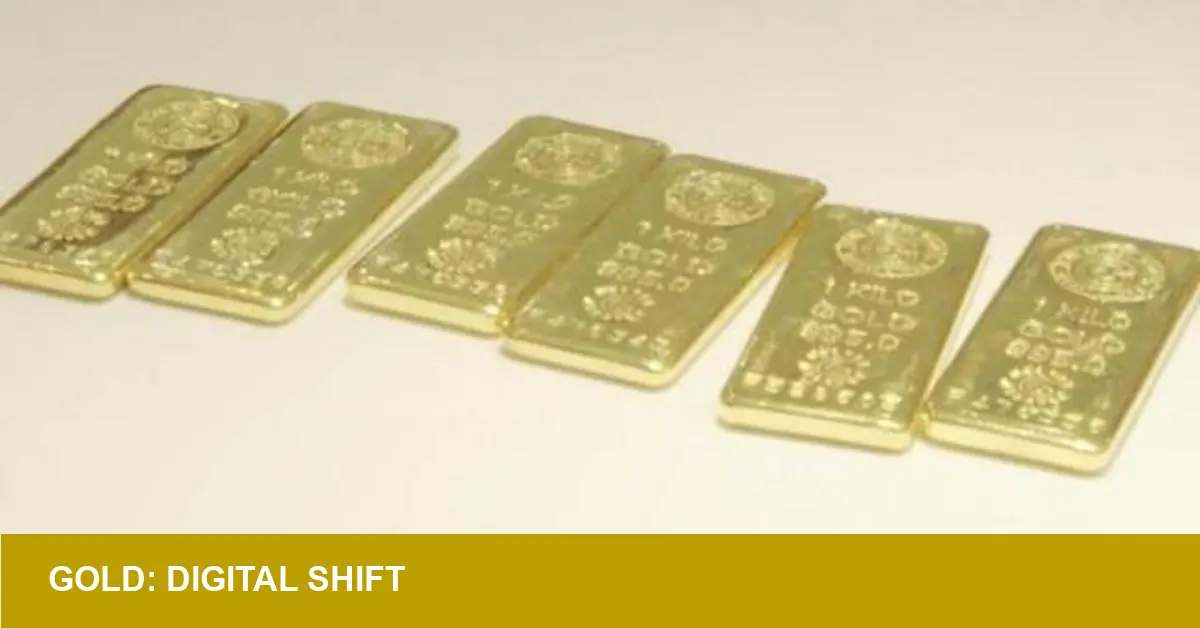
Dubai apps, lightweight designs and record investment flows are remaking how consumers in the Middle East and South Asia buy and hold gold — and the shift has clear financial consequences. Rising international gold prices have driven shoppers toward featherlight, lower‑purity pieces, spurred fractional investment platforms and triggered old‑for‑new recycling programs. The change is already measurable: India’s jewelry consumption fell 31% year‑on‑year to 117.7 tonnes in Q3 2025 while Indian gold investment exceeded $10 billion in a single quarter, according to the World Gold Council.
- Price: Near multi‑year highs through 2025 (upward pressure since 2024)
- Carat / Purity: Shift from 24K toward 18K/14K for affordability
- Origin / Markets: Middle East (UAE, Dubai) and South Asia (India)
- Date / Data: WGC Q3 2025; market observations Jan 2026; O Gold reports ~800,000 users
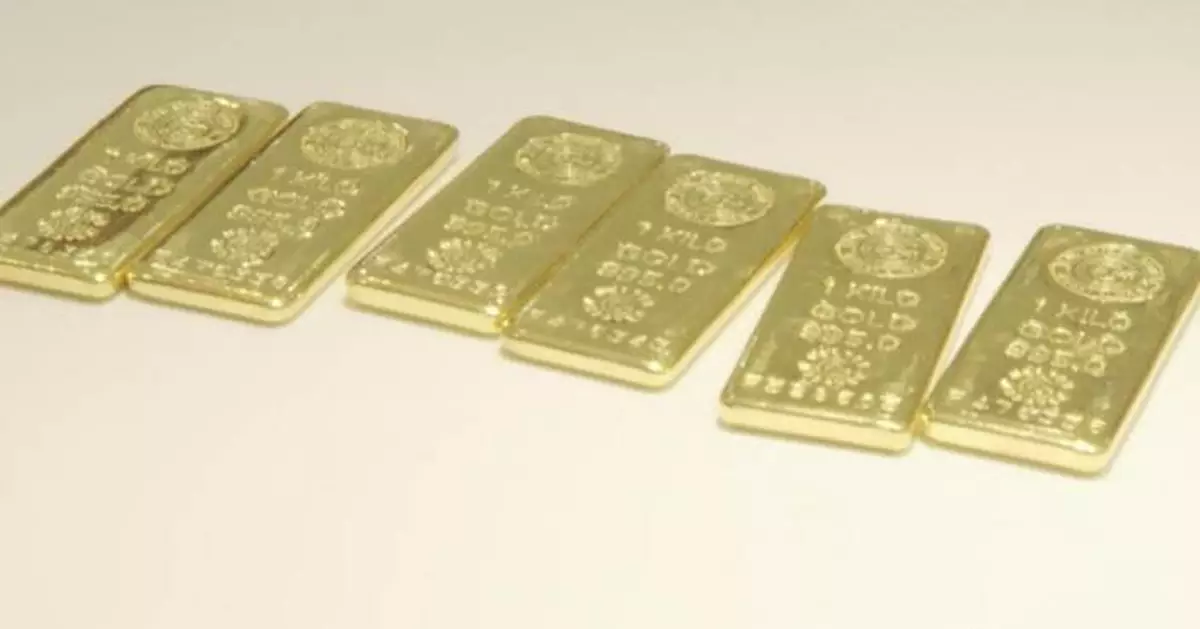
Context: Fractional ownership, lightweight design and recycling
The behavioural change is practical and material. In Dubai — a pivotal trading hub — consumers have adopted investment apps that let users send or buy gold in increments as small as 0.1 grams, with minimum purchases from one dirham. Aly Abdo, COO of Dubai‑based app developer O Gold, says the platform launched its service in January 2025 and now counts almost 800,000 users. Fractional, app‑based ownership provides a low‑friction hedge against inflation for younger buyers who prize precise, incremental accumulation over large one‑time purchases.
Retailers are responding in kind. Traditional showrooms have introduced ‘‘slimmed‑down’’ silhouettes — featherlight bracelets and pendants that preserve a piece’s silhouette while materially reducing gold content. Muhammed Abdul Qadir, marketing manager at Al Heseena Jewelry, notes that lighter profiles have drawn increased foot traffic; the pieces retain a pleasing metallic sheen and a measured, tangible presence despite reduced gram weight.
In India, the seasonal wedding buying window still matters, but buyers are choosing lower‑purity alloys and sub‑ten‑gram pieces. The World Gold Council’s Q3 2025 Global Gold Demand Trends Report captures the outcome: jewelry tonnage down 31% to 117.7 tonnes, while investment flows surged past $10 billion in a quarter — a structural signal that consumers are reallocating between ornamentation and investment vehicles.
Impact for U.S. retailers and investors
These shifts carry actionable implications for U.S. sellers and capital allocators.
- Merchandise sizing and SKU strategy: Introduce sub‑5g SKUs, lighter profiles with sculptural lines and mid‑range purities (18K/14K). Customers want the tactile satisfaction of a piece’s substantial heft even when the gram weight is reduced; design must compensate with form and finish.
- Digital partnerships: Consider alliances or white‑label offerings with fractional gold platforms. Fractional ownership appeals to younger, app‑native buyers and can funnel clients into brick‑and‑mortar services for upgrades or exchanges.
- Inventory and margin management: Expect tighter margins on jewelry as consumers trade down grams; hedge exposure with bullion or digital allocations and increase service‑based revenue (customization, exchanges, authentication).
- Marketing and education: Position lower‑purity options as intentional design choices rather than compromises. Emphasize recycled content and transparent buy‑back policies to align with 2025 sustainability expectations.
For investors, the structural move from ornament to investment—visible in India’s Q3 numbers and the rapid adoption of fractional apps in Dubai—suggests a bifurcated gold market: persistent retail demand for perceived luxury, and a fast‑growing digital investment layer that enhances liquidity and price sensitivity.
The prescription is quiet and practical: lean inventory toward sculptural, featherlight pieces; offer fractional purchase paths; and treat buy‑back and recycling as core services. Those who design for a reduced‑gram world while preserving tactile satisfaction will retain premium positioning even as gram counts fall.
Reporting note: Figures quoted from the World Gold Council’s Q3 2025 Global Gold Demand Trends Report; market comments from O Gold and UAE retail sources.
Image Referance: https://www.bastillepost.com/global/article/5495859-gold-price-surge-reshapes-global-buying-habits