
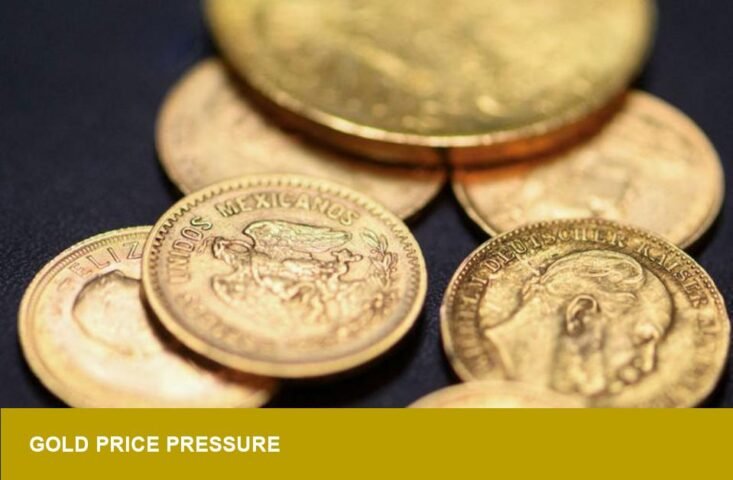
Gold extended losses on Feb. 2 after a firmer dollar and market scrutiny of U.S. President Donald Trump’s Fed chair pick, Kevin Warsh, who is being assessed for his likely approach to interest rate cuts. Spot gold was down 1.5%, trading at $4,793.97 per ounce as of 0046 GMT; silver, meanwhile, recovered from a more‑than‑three‑week low hit on Friday.
- Price: Spot gold down 1.5% at $4,793.97 per ounce (as of 0046 GMT).
- Driver: Firm U.S. dollar and market read on Kevin Warsh’s likely Fed stance.
- Silver: Rebounded from a more‑than‑three‑week low recorded on Friday.
- Date & source: Feb 2 (Reuters); market reaction observed early Monday trading.
- Market focus: U.S. bullion and jewelry sectors closely watching short‑term price moves.
Context: bullion, interest rates and jewellery pricing
The move is a classic rate‑sensitivity reaction: gold does not yield interest, so shifts in expectations for Fed policy and the dollar’s strength often translate directly into bullion price volatility. Traders are parsing signals from Kevin Warsh’s nomination for how quickly or slowly interest rate cuts might come — an input that changes the opportunity cost of holding non‑yielding assets.
For the trade, this plays out through metal costs and retail pricing. Jewellery categories with substantial gold content — heavy chains with a noticeable heft, large high‑karat pieces, and items where metal is the dominant value input — see immediate margin pressure when bullion softens. Conversely, designers selling smaller, detailed work that emphasises craftsmanship (micro‑pavé, knife‑edge shanks, open‑backed settings) can partly insulate margins because labor and brand command a larger share of retail price than the raw metal.
Impact: what U.S. retailers, wholesalers and investors should do now
Short‑term price moves like Monday’s 1.5% drop tighten the calculus for inventory valuation and markdown risk. Retailers and wholesalers should review cost layers on in‑hand stock, especially for pieces priced heavily on metal content. Hedging strategies or flexible pricing windows can reduce exposure to sudden dollar‑driven moves; where hedging is not feasible, merchandising should prioritize attributes that are less metal‑sensitive — finish, fit and finish quality (satin‑finished surfaces, precision setting) and design details that justify a margin beyond spot metal value.
For silver, the rebound from a multi‑week low suggests some stabilization; retailers with a balanced assortment can lean into silver‑led offers to maintain accessible price points if gold demand softens. Investors tracking bullion should note the sensitivity to Fed leadership signals: near‑term volatility may present tactical entry points, but fundamentals hinge on rate expectations rather than demand for jewellery alone.
Ultimately, this episode underscores the linkage between macro policy cues and jewellery margins: a firm dollar and a market calibrating a new Fed chair’s tilt can compress or expand retail leeway quickly. Practical steps for the trade are inventory scrutiny, sharper product segmentation by metal exposure, and clearer customer messaging that separates craftsmanship value from commodity value.
Image Referance: https://www.msn.com/en-us/money/markets/gold-falls-15-on-firm-dollar-silver-recovers-from-over-three-week-low/ar-AA1VsjtP