
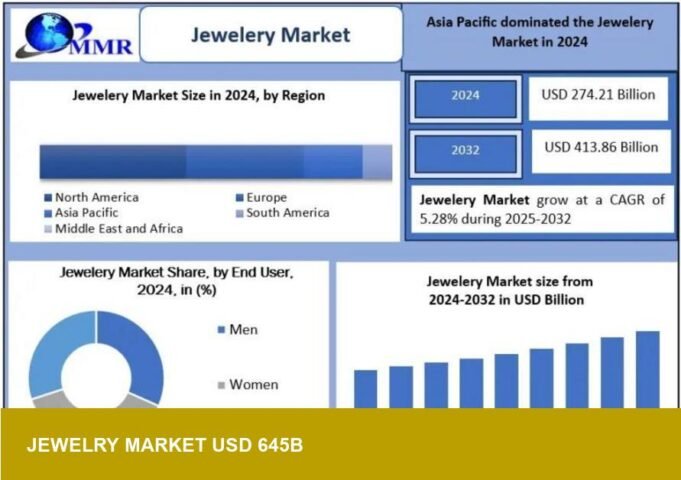
MAXIMIZE Market Research Pvt. Ltd. said in a press release on openPR that the global jewelry market is forecast to reach USD 645.3 billion by 2032, driven by sustained double‑digit growth across segments. The projection expands the addressable market and raises near‑term questions about assortment, pricing architecture and margin pressure for US retailers and wholesalers.
- Valuation: USD 645.3 billion (forecast for 2032)
- Growth: described as double‑digit in the press release
- Source: MAXIMIZE Market Research Pvt. Ltd.; published on openPR.com
- Scope: global jewelry market (forecast through 2032)
Context: Where this fits in 2025–26 trends
The projection aligns with several persistent trends shaping product and assortment strategy. Demand for accessible luxury continues to pull spend toward well‑crafted pieces that emphasize material quality and finish — satin‑finished gold surfaces, clean knife‑edge shanks and restrained micro‑pavé rather than overt branding. At the same time, traceability and sustainability remain purchase triggers: recycled 18k gold, documented origins for colored stones and transparent lab‑grown diamond certification are now baseline expectations for many buyers.
For designers and buyers, the forecast suggests a continued premium on efficient production and inventory turns. Pieces with modular construction, open‑backed settings to reduce weight while maintaining visual impact, and classic cuts deployed in contemporary silhouettes are likely to perform across both bridal and non‑bridal assortments.
The Impact: Why this matters in the US market
US retailers and wholesalers should treat the report as a directional signal rather than precise guidance. A larger projected market size increases opportunity but also intensifies competition and inventory risk. Merchants will need to refine pricing tiers: maintain healthy margins on natural colored stones and large‑carat diamonds while positioning lab‑grown diamonds and fashion pieces to capture value‑minded buyers without eroding brand prestige.
Operationally, buyers should tighten SKU rationalization and shorten replenishment cycles to avoid markdown exposure as the category expands. Marketing should lean into quiet‑luxury narratives that stress materiality and craftsmanship — for example, highlighting silky nacre in pearl lines or the vitreous luster of high‑grade stones — rather than overt discounting. Investors and category managers will watch supply‑side developments (mines, lab production capacity, recycled metal streams) closely; those shifts will determine whether the forecasted growth translates into margin expansion or price compression in specific subcategories.
In short: the USD 645.3 billion projection signals scale and opportunity, but execution on assortment, traceability and price architecture will determine who captures the upside in the US market.
Image Referance: https://www.openpr.com/news/4378475/jewelry-market-sparkles-with-double-digit-growth-valuation