
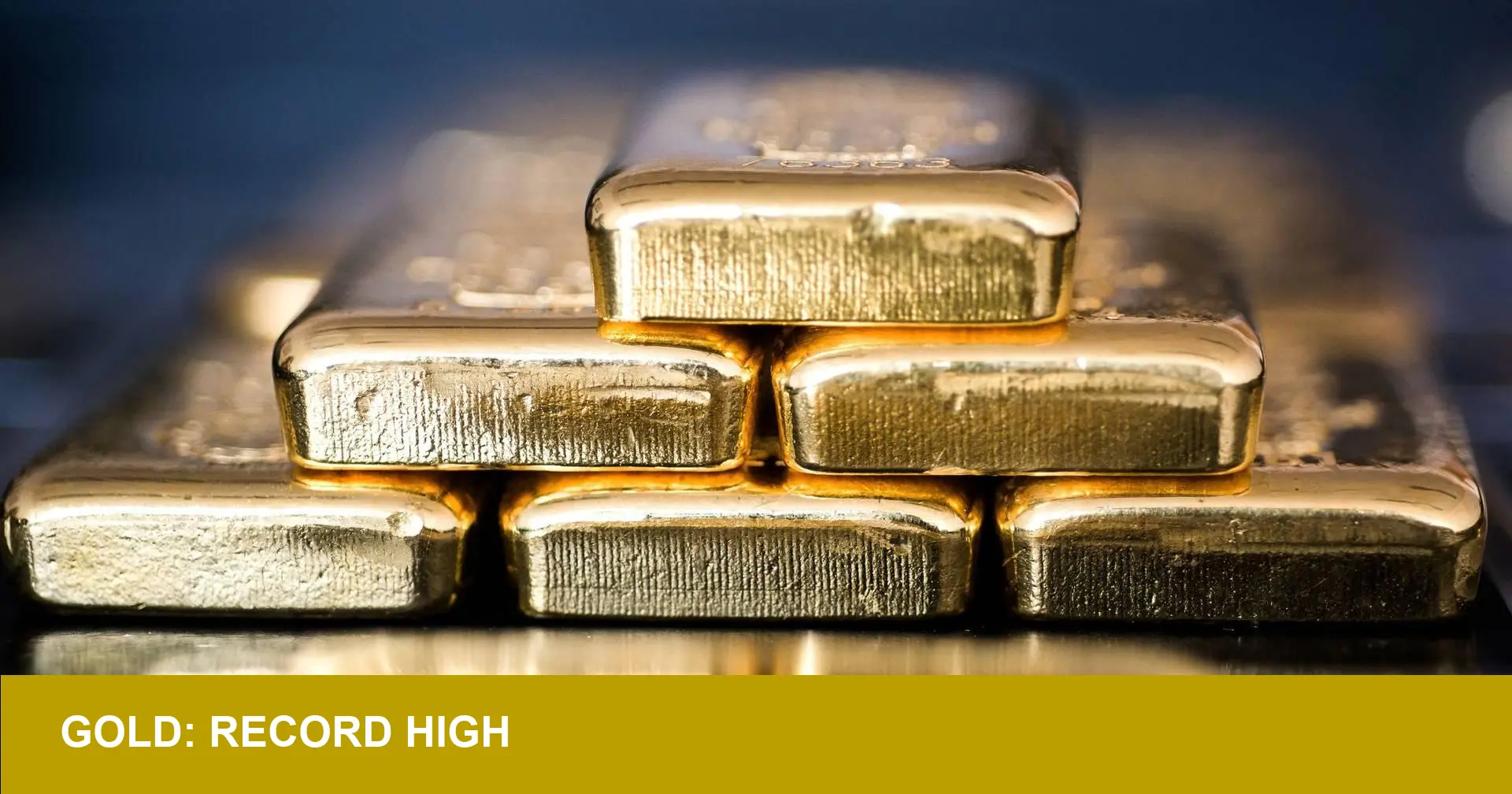
Portugal, sitting as Europe’s sixth-largest official gold reserve holder, saw market value climb as reported Jan. 13, 2026: gold reached roughly $4,600 per troy ounce while silver approached $85 — moves that sharpen the balance between safe-haven demand and retail softness.
- Price: Gold ~$4,600 per troy ounce; Silver ~ $85 per troy ounce
- Unit: Quoted per troy ounce (market spot)
- Origin: Portugal (noted as Europe’s sixth-largest official gold reserve)
- Date: Reported Jan 13, 2026
Context: safe havens under renewed stress
Analysts framed the surge within renewed geopolitical and policy uncertainty. Reports tied the jump to a high-profile criminal inquiry involving the U.S. central bank’s leadership, alongside continuing armed conflicts that keep capital seeking non-sovereign stores of value. The market reaction has a tactile quality: bullion and coins acquiring a perceptible heft on balance sheets and in vaults, their vitreous luster and warm patina translating into clear monetary signaling.
Retail versus reserves: a muted sales response
Portuguese trade sources noted a divergence between paper prices and consumer behaviour. While wholesale and sovereign holdings appreciated, street-level turnover did not mirror that rise. Local jewelers reported flat to slightly lower turnover even as material costs climbed — a reminder that higher spot valuations do not always generate proportional retail demand.
Why this matters to U.S. retailers and investors
For U.S. retailers the immediate effect is on margin and inventory strategy: metals with increased spot prices mean higher replacement costs and a need to manage substantial heft in inventory exposure more actively. For investors the development underscores two 2025-era themes: a renewed premium on physically backed assets in times of policy uncertainty, and the widening gap between paper-market gains and on-the-ground retail flows.
2025 trends that frame the move
Looking ahead, expect three structural influences to shape where prices go next: central-bank reserve management, the premium assigned to physical versus paper holdings, and shifting consumer preference toward sculptural, design-forward pieces where metal cost is one part of perceived value. Sustainability remains a secondary but steady influence — provenance and recycled content increasingly factor into buying decisions for higher-price, tactile pieces rather than purely speculative purchases.
Outlook
Market participants we spoke with and the analysts quoted in reports expect upward pressure to persist so long as geopolitical strains and questions around central-bank governance remain unresolved. For U.S. jewelry buyers and investors the prudent response is twofold: reassess inventory replacement timing and consider allocating a measured portion of reserves to physical metals to capture the defensive, tactile qualities investors now prize.
Source: SIC Notícias (translated and summarised)
Image Referance: https://lnginnorthernbc.ca/2026/01/13/gold-and-silver-prices-reach-new-all-time-highs/