
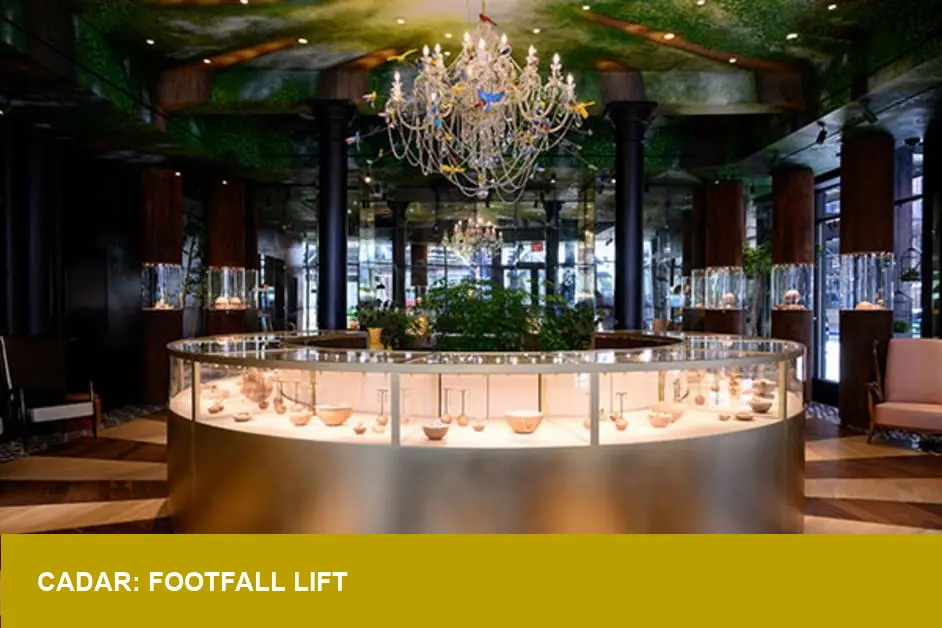
Retailers including Cadar, Hamilton Jewelers and Kinraden reworked store interiors in 2025 to drive foot traffic, extend dwell time and lift average sale—projects ranging from modest refits to $2.5M builds aimed at measurable sales and brand affinity in 2026.
- Price: Typical renovation budgets, $150K–$2.5M
- Carat Weight: N/A — metric focus shifts to dwell time, event attendance
- Origin: New York, Princeton (N.J.), Copenhagen, Pasadena, Miami
- Date: Major store projects and openings, 2025 (impact carried into 2026)
What changed in 2025
Across the U.S. and Europe, independent houses and regional chains moved beyond merchandising to design environments that perform. Cadar’s New York flagship opened with curated cocktail evenings and vintage-taxi theatrics to create repeat visitation; Hamilton Jewelers layered Instagram-ready exterior displays and watch-focused events; Kinraden’s Copenhagen revamp emphasized recycled metals and Mpingo blackwood to reinforce sustainable provenance.
The shifts are tangible: matte terrazzo floors, low-gloss display cases with vitreous-luster lighting, daybeds and hospitality niches that invite longer stays, and visible benchwork—open jewelers’ rooms—so craft has a substantial heft you can sense. These are not decorative afterthoughts; they are engineered to increase conversion, average order value and community engagement.
Context — 2025 trends shaping 2026
Three forces guided the work in 2025 and will shape retailer priorities in 2026:
- Sustainability as message and material: Brands like Kinraden made 100% recycled precious metals and FSC-certified Mpingo visible in-store, turning provenance into tactile theatre rather than a line item on a tag.
- Experiential programming: From Helzberg’s Custom Bar to Cadar’s in‑boutique classes and Hamilton’s yacht event, retailers are monetizing events—watch launches, design sessions, lectures—that increase willingness to travel and pay.
- Sculptural, quiet-luxury design: Renovations favored sculptural forms, locally sourced and repurposed fixtures, and acoustic treatments that make conversation and inspection comfortable—design choices that communicate value without ostentation.
Impact for U.S. retailers and investors
For store operators and investors, the takeaway is practical: capital spent on purposeful retail environments can compress the sales cycle and broaden lifetime value when paired with tight omnichannel operations. J.P. Morgan’s 2025 holiday outlook flagged Gen Z’s willingness to drive farther for experiential shopping; that intention converts only when inventory promises made online match shelf reality.
Operational implications:
- Program events as revenue drivers, not just marketing: ticketed or limited-seat activations produce measurable AOV and repeat visits.
- Make craft visible: open workrooms and bench windows turn production into theater and reduce perceived lead times.
- Align materials and messaging: visible use of recycled metals or certified woods communicates price justification and supports premium positioning.
- Optimize omnichannel inventory integrity: ensure what shoppers see online is verifiably on the floor to avoid conversion loss.
Design choices also affect the balance sheet. Smaller refits ($150K–$400K) that add programmatic elements and hospitality can yield rapid payback through increased conversion and event revenue; larger flagship builds ($1M–$2.5M) are longer-term investments in brand equity and recruitment of high-value customers. Robbins Brothers’ reinvestment in a historic Pasadena flagship, for example, pairs drama—28-foot ceilings, original murals—with private diamond-viewing rooms and a basement vault for activations, creating scalable spaces for both sales and community programming.
Quiet, tactile touches matter to the next generation of buyers: soft lighting that preserves a stone’s true vitreous luster, seating that communicates substantial heft and comfort, and scent or playlist cues that subtly extend dwell time. Luis Morais’ Miami boutique uses a daybed and a selected art collection to make the store feel like a private salon—an environment where commerce and conversation coexist.
For retailers planning capital allocation in 2026, prioritize projects that pair physical improvements with measurable operational changes—events calendars, open craft visibility, and inventory accuracy. Those elements, more than ornament, are what move customers from discovery to purchase.
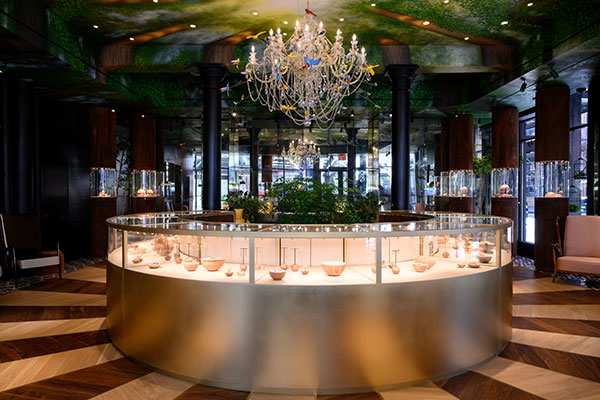
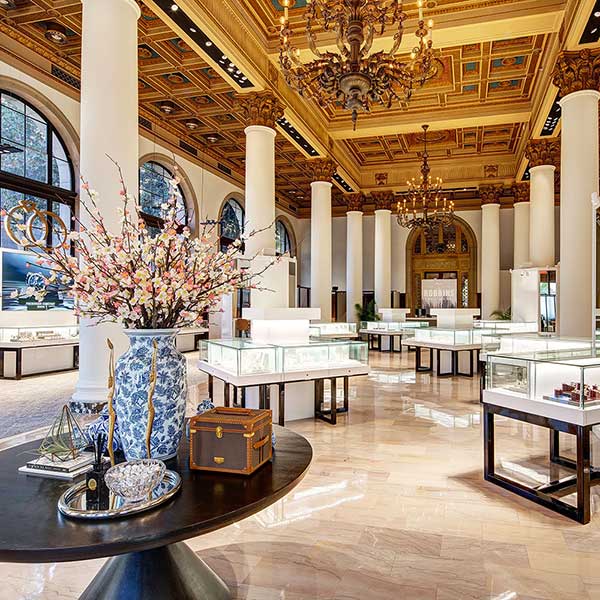
Examples cited: Cadar (NYC), Hamilton Jewelers (Princeton), Kinraden (Copenhagen), Helzberg, Robbins Brothers (Pasadena), Luis Morais (Miami), Korman (rebrand and interior overhaul).
Image Referance: https://www.jckonline.com/editorial-article/retail-review-store-experiences/