
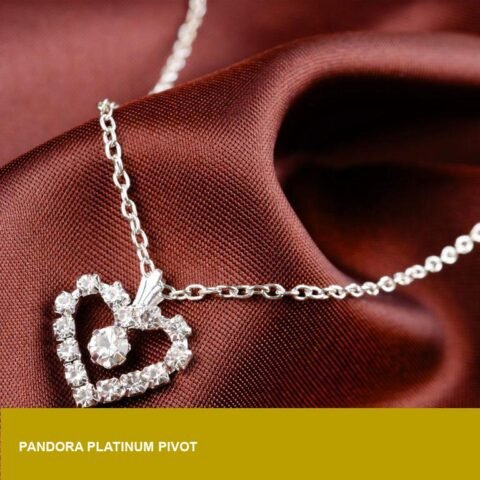
Pandora turns to platinum as silver prices surge
Pandora is adjusting its metal strategy: the jeweler is plating pieces in platinum rather than silver in response to surging silver prices. The move is framed as an effort to preserve margins and maintain retail price points without passing immediate cost increases to customers.
- Brand: Pandora
- Action: switching plating from silver to platinum
- Trigger: surging silver prices
- Commercial aim: margin protection and price stability
Context — where this fits for metals and product strategy
Raw-material volatility has pushed more retailers to reassess specification and finish. Platinum is conventionally viewed as a more precious metal than silver; its inert surface resists tarnish and it carries greater perceived value and substantial heft. By electing platinum plating, Pandora is trading one material exposure for another: designers and product teams gain a corrosion-resistant finish and elevated touch, but they also must manage customer perception of value and the cost base of a higher‑priced metal.
For manufacturers and supply chains, the technical shift matters. Plating work requires control of adhesion and consistent thickness to avoid early wear; finish treatments — satin or polished — will determine how the pieces read next to other SKUs. From a merchandising perspective, the substitution is a subtle premiumization: the product reads differently in vitrine lighting and photography, altering SKU adjacency and price‑ladder logic.
Impact — what retailers, wholesalers and investors should note
US retailers and wholesalers should treat this as an operational signal rather than a one-off styling choice. Tactically, product assortments will need updated merchandising cues and training so sales teams can explain the material change without undermining trust. Pricing architecture may remain stable if the brand absorbs cost, but margins are likely the operational justification; buyers should confirm whether cost relief is being achieved through specification changes, increased wholesale prices, or altered promotional timing.
For investors, the decision highlights how mid‑market jewelers are responding to commodity pressure: instead of hiking retail prices or reducing margins, some brands opt to reposition materials to protect top‑line momentum. That has implications for inventory valuation — pieces plated in platinum may be treated differently on the balance sheet and in secondary promotions — and for future sourcing contracts if the shift becomes sustained.
Finally, marketing and communications must align with quiet‑luxury expectations: emphasize material performance, finish quality and long‑term wear rather than promotional language. For retailers, that means signage, product copy and visual merchandising that make the material change legible to customers while protecting perceived value.
Image Referance: https://www.msn.com/en-us/money/news/as-silver-prices-soar-jeweler-pandora-turns-to-platinum/ar-AA1VLaJM?ocid=finance-verthp-feeds