
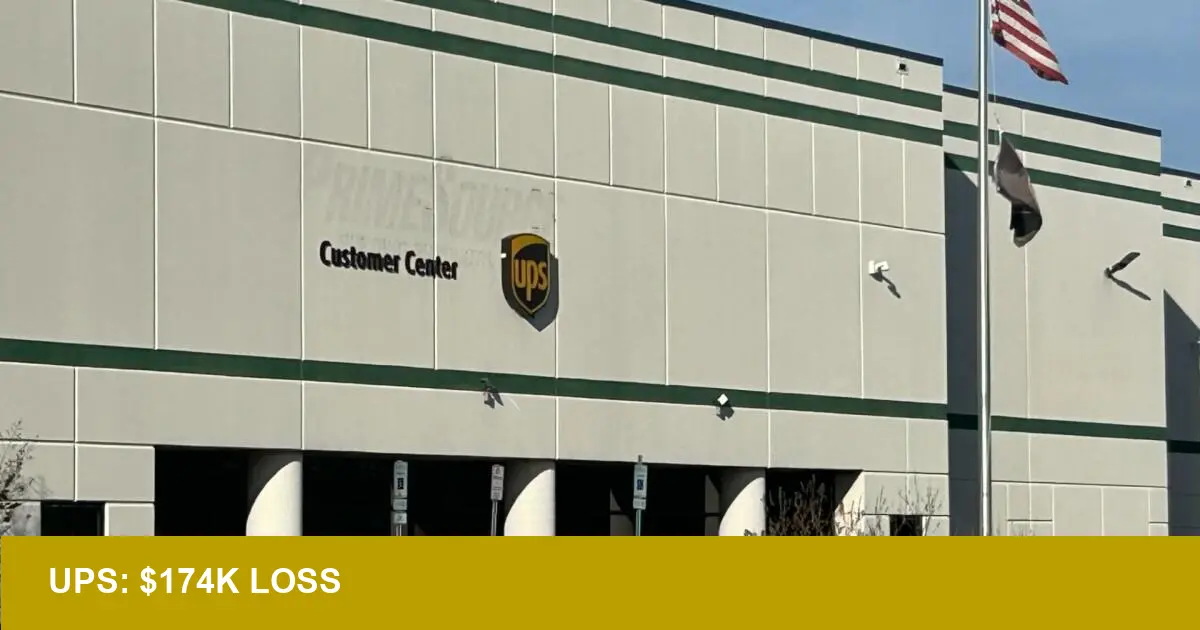
Kazane Deravin, a former part-time employee at the UPS Aberdeen Customer Center, has been convicted after prosecutors tied a six‑month scheme to the disappearance of high‑value shipments destined for Saxons Diamond Centers and other Harford County jewelers — losses the police put at roughly $174,000, including a $69,000 custom‑cut diamond engagement ring.
- Price: $174,000 total losses; $69,000 custom diamond ring noted
- Carat Weight: Not disclosed
- Origin: Shipments to Saxons Diamond Centers and regional mall jewelers via UPS Aberdeen Customer Center
- Date: Dec 2024 — May 2025 (approximately six months)
What happened
Investigators say Deravin removed selected packages while on shift and destroyed outer packaging to conceal the thefts. Aberdeen Police Capt. C. William Reiber described a pattern of targeting: “He sought high‑value jewelry items that he could look at local and regional jewelry stores and know that package was destined for those locations and simply remove the package and make the theft.” Pawn‑shop records extended the trail back to 2018, showing a progression from phones and laptops to precious jewelry with vitreous luster and substantial heft.

Context: security and market signals for 2025
The conviction arrives as U.S. jewelry retailers and insurers reassess physical and logistical risk in 2025. Natural, high‑value stones — particularly custom cuts that carry unique facet profiles and resale appeal — remain attractive targets despite the growing market for lab‑grown alternatives. Lab‑grown stones, with lower per‑carat valuations and clearer provenance records, are changing inventory mixes and, in some cases, insurance calculations; however, the presence of natural stones with pronounced crystalline facets and substantial heft continues to drive theft incentives.
From a loss‑prevention standpoint, the case underscores a persistent vulnerability: the interior employee with routine access to parcels. Tamper‑evident seals, chain‑of‑custody logging, real‑time parcel scanning, and secured holding areas reduce opportunity, but they are only effective when paired with regular audits and targeted background checks.
Impact for U.S. retailers and investors
For jewelers and investors, the immediate consequences are practical and financial. Insurers will factor this kind of inside theft into premium models, raising rates or tightening policy exclusions for transit losses. Retailers should expect closer scrutiny of shipment practices: itemized manifests, independent verification on receipt, and conditional acceptance protocols for repairs and returns. Restitution orders and recovered items may recoup a portion of losses — in this case police placed the scheme’s impact at $174,000 and indicated the suspect has been ordered to repay claims — but recovery rarely restores working capital or the market position tied to unique pieces.
Operational changes that materially lower risk include strengthening employee vetting, limiting single‑user access to outbound parcels, enhancing camera coverage of staging areas, and adopting serialized packaging or GPS tracking for select consignments. For investors, the lesson is structural: stock‑level exposure to high‑value natural stones increases operational risk, which should be weighed alongside sustainability and lab‑grown demand shifts when assessing store valuations or insurance costs.
The Aberdeen case is a precise reminder: the physical qualities that confer value — polished facets, substantial heft, a warm fire under light — also make certain pieces persistent theft targets. Retailers that treat logistics and loss prevention with the same exactitude as gem grading will be better positioned to protect inventory and premiums moving through 2025.
Image Referance: https://www.wmar2news.com/local/former-aberdeen-ups-worker-convicted-in-jewelry-thefts-from-packages